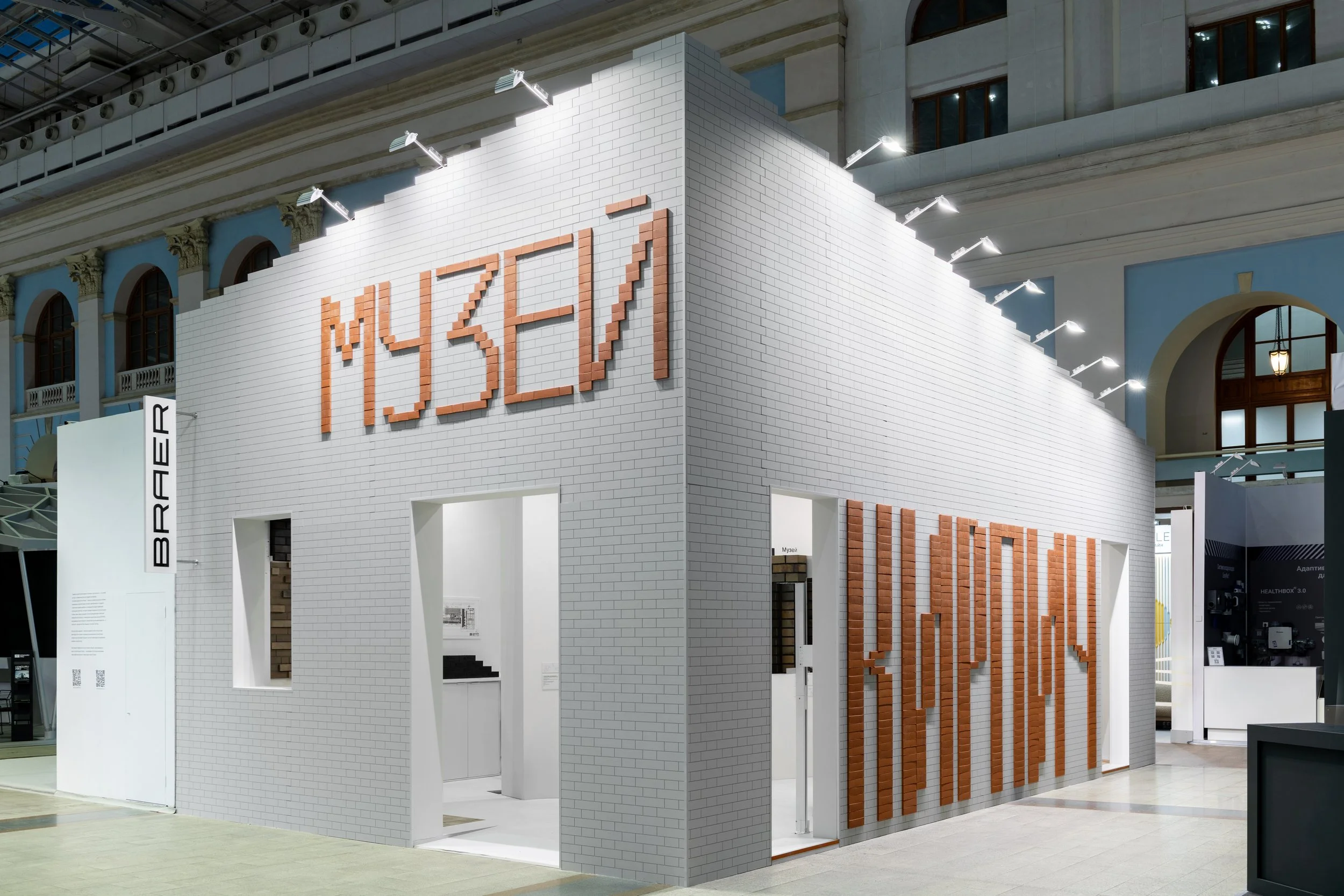
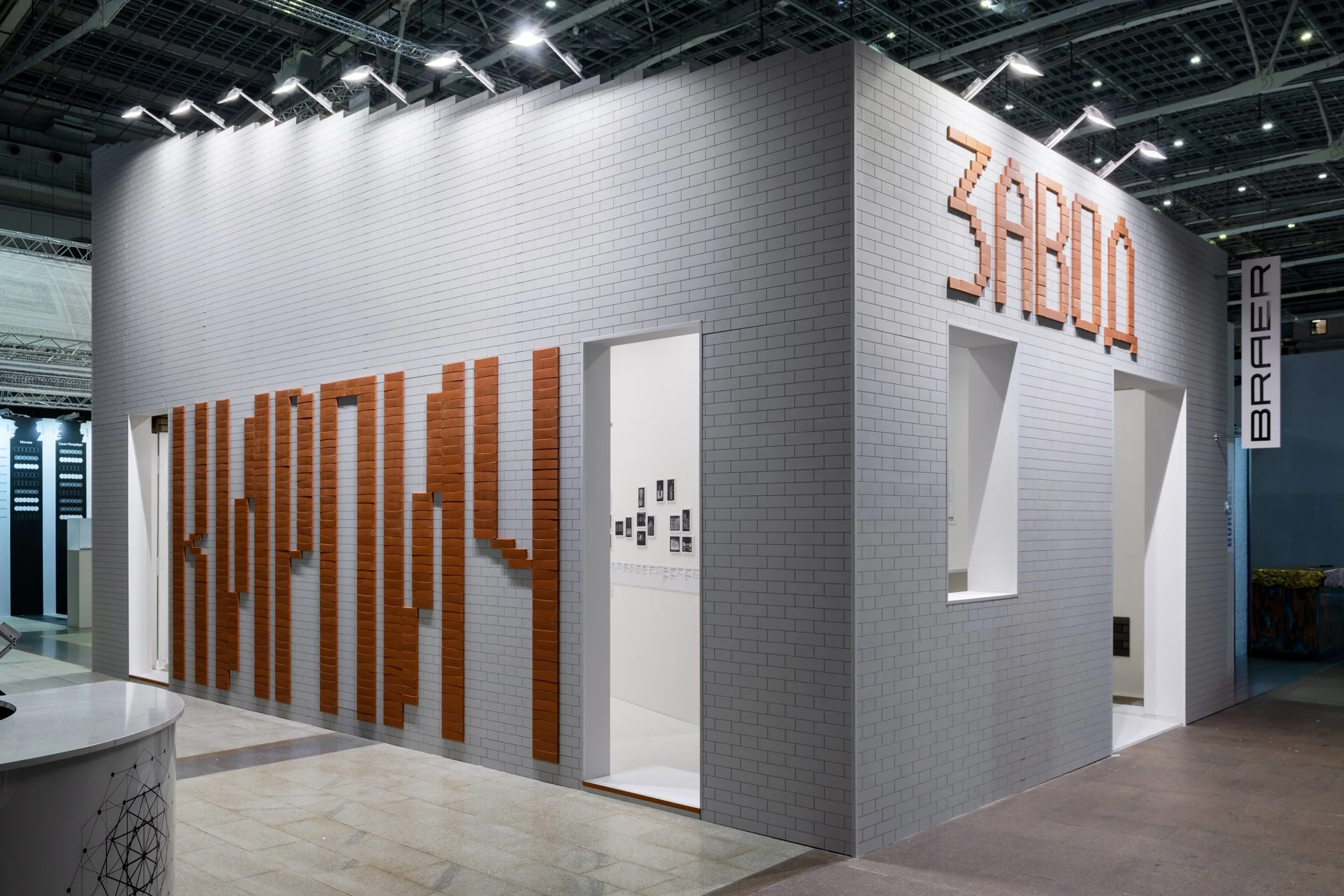
Brick Museum BRAER x MuAr
2026
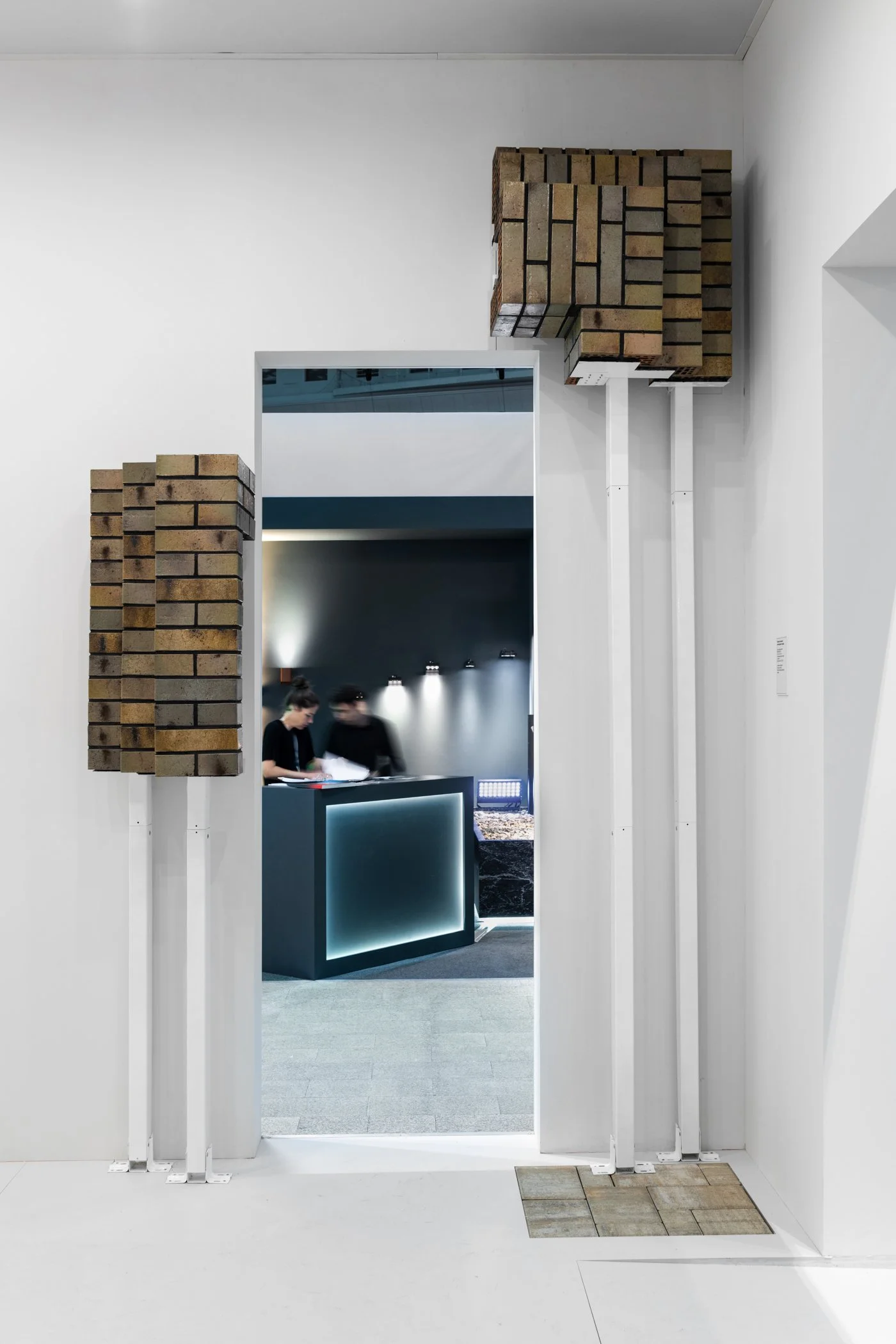
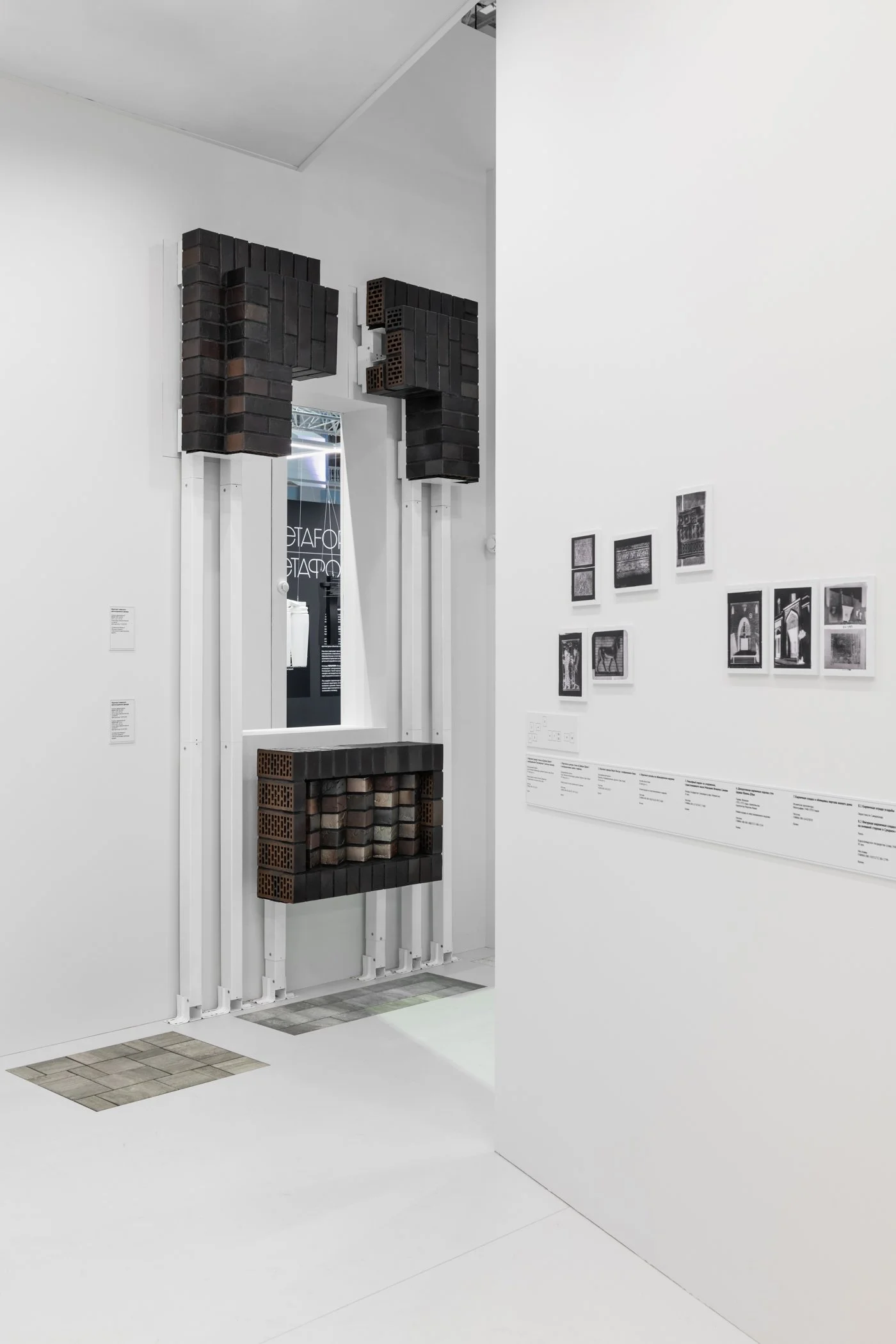
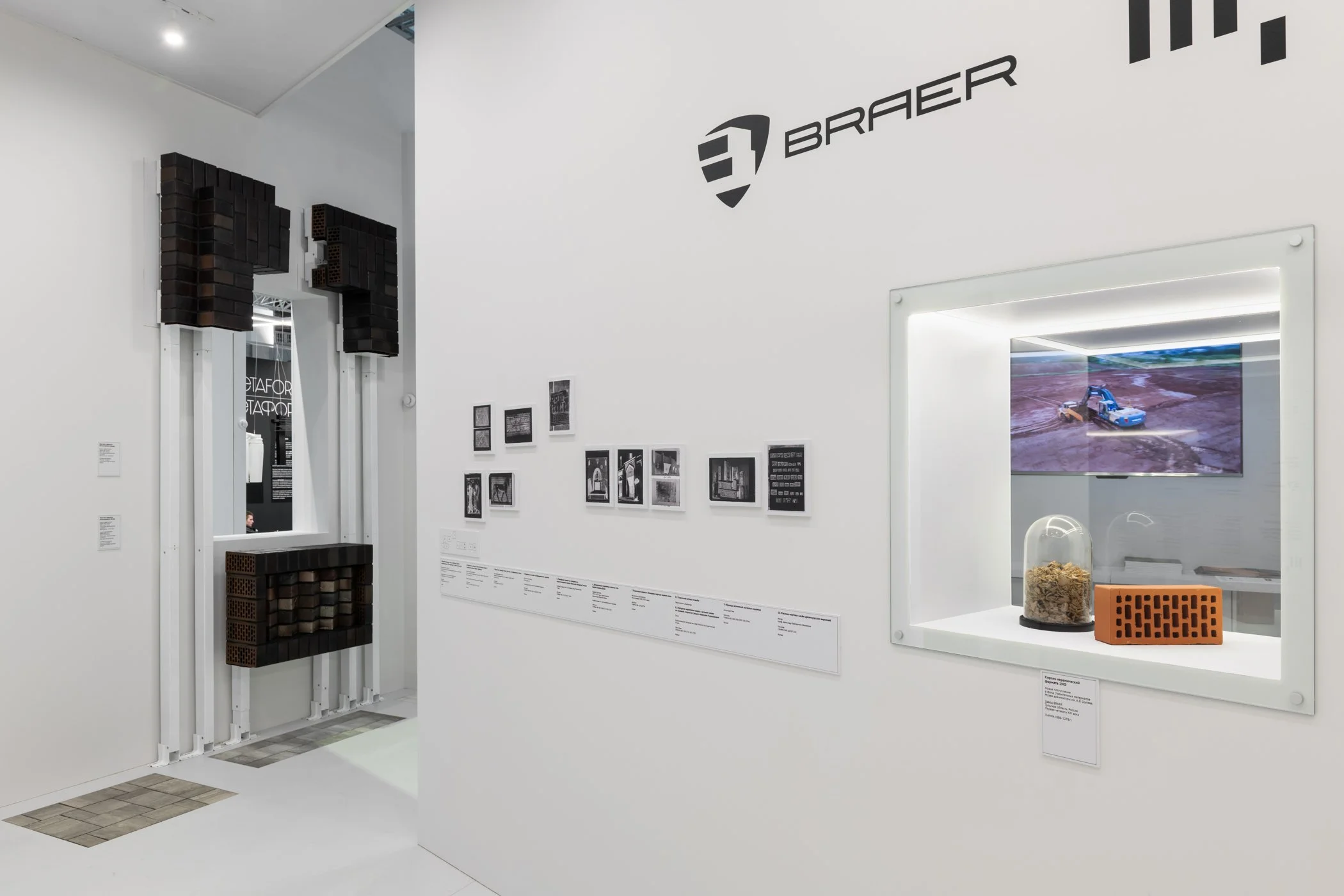
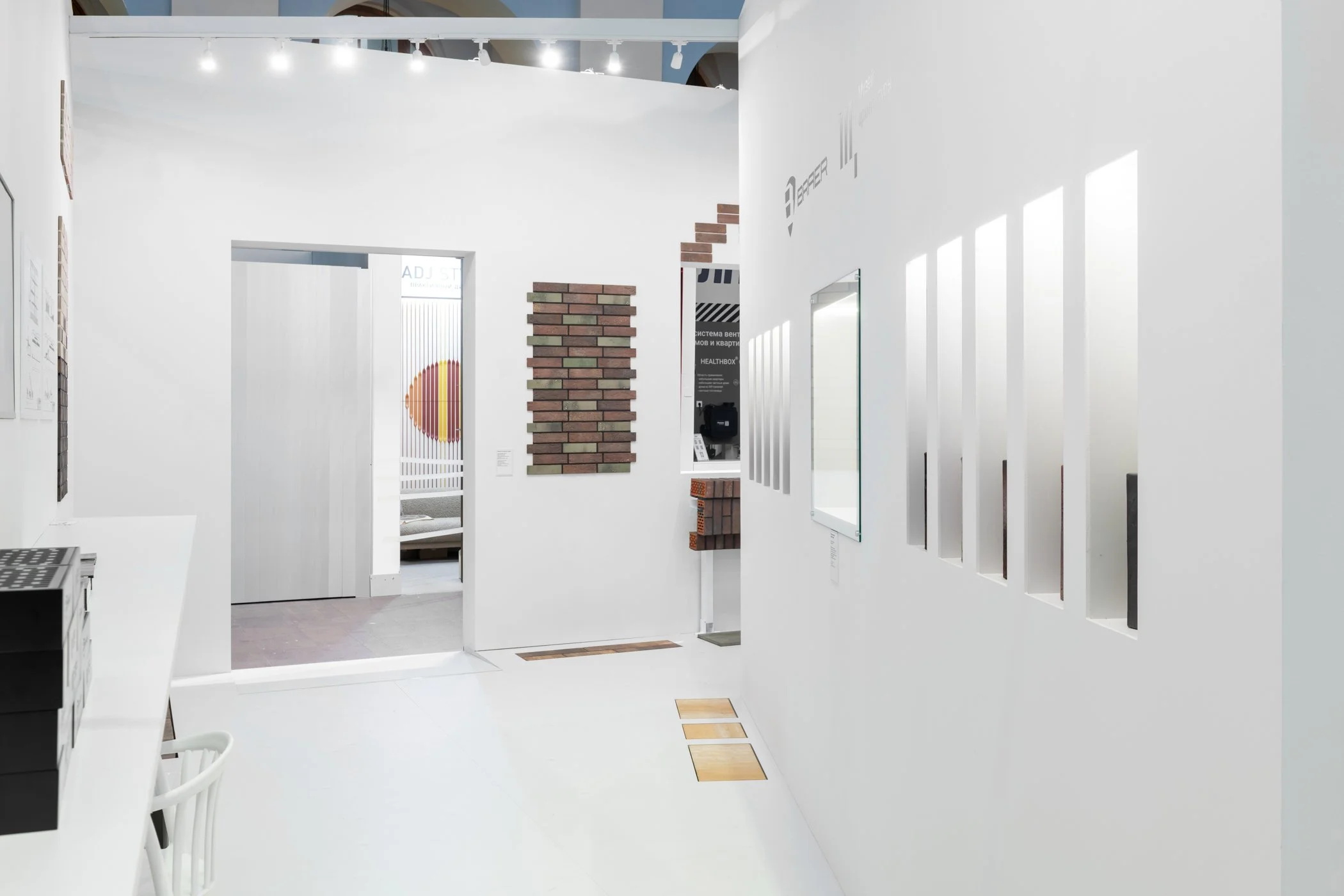
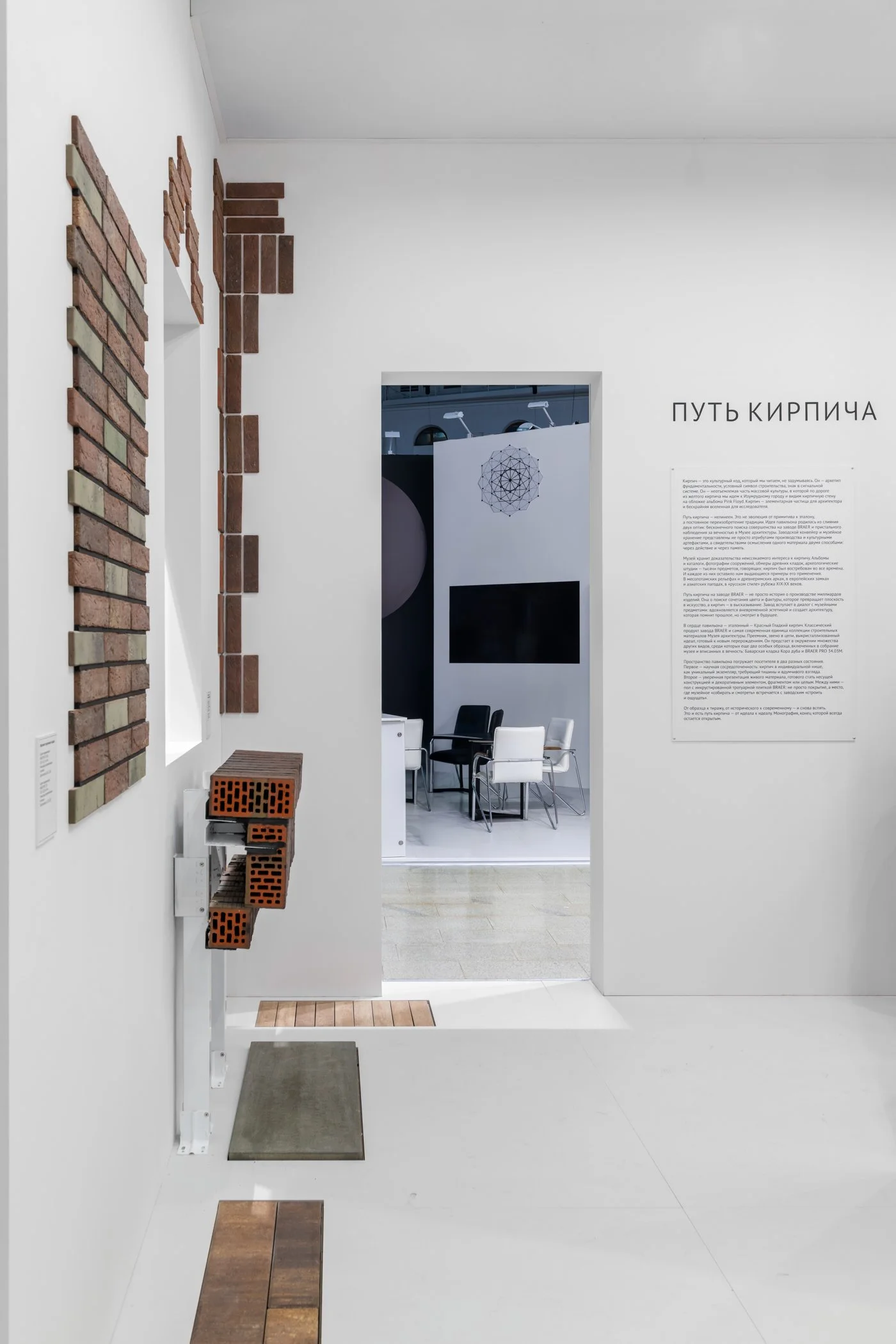
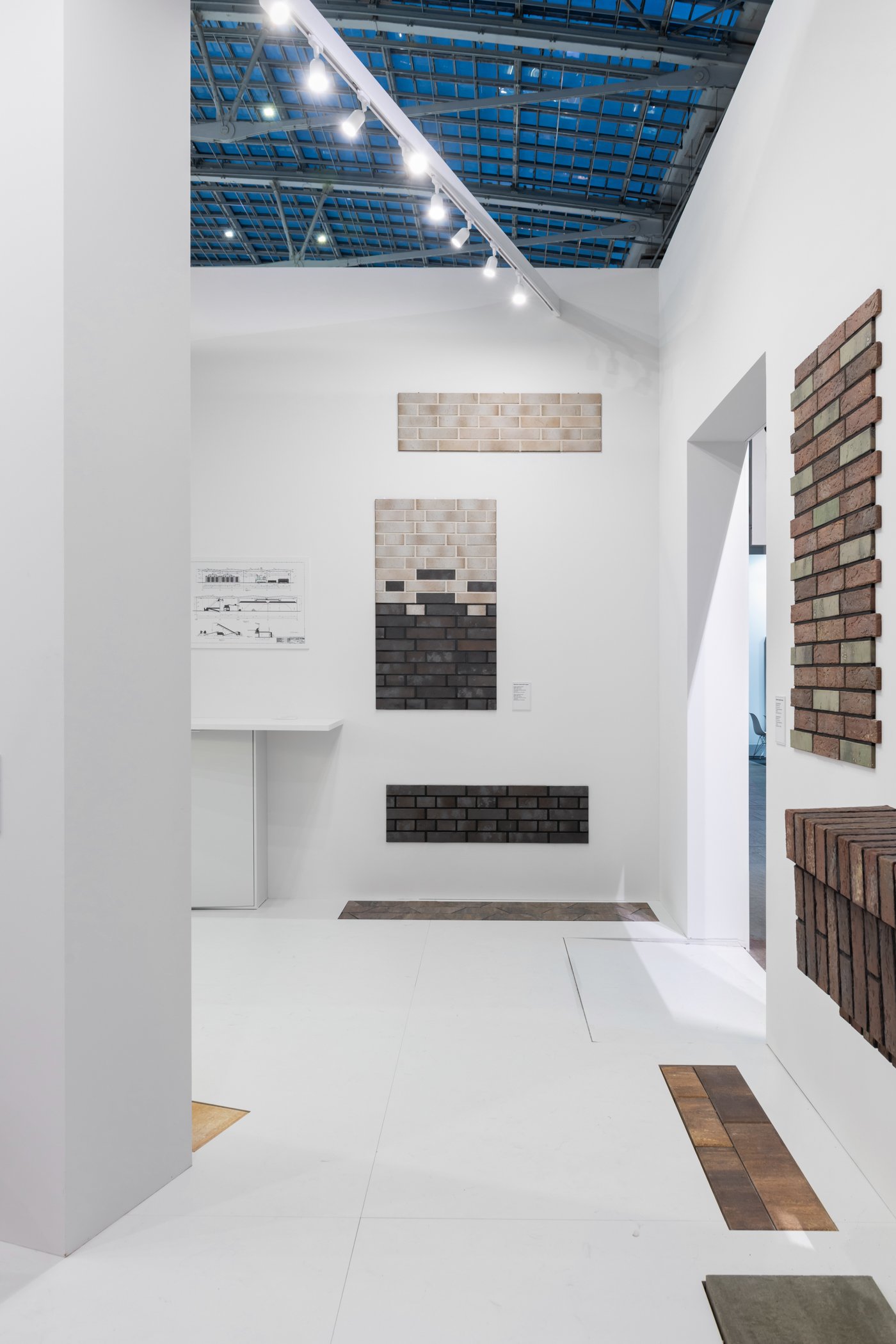
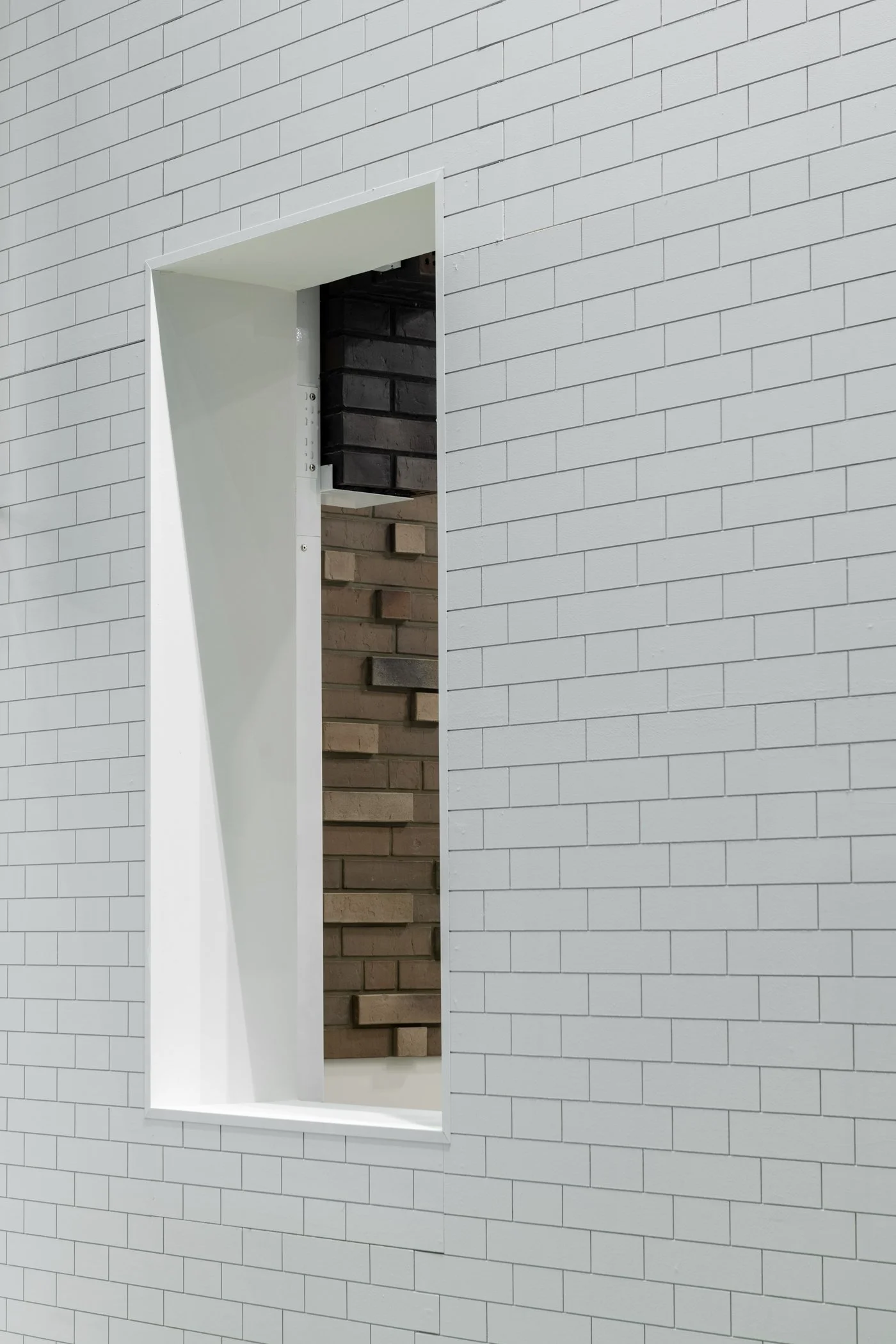
The brick inside the pavilion functions not merely as a building material, but as an autonomous object. Its key feature lies in the fact that, in construction practice, it can be not just a mass-produced element, but a meaningful architectural detail.
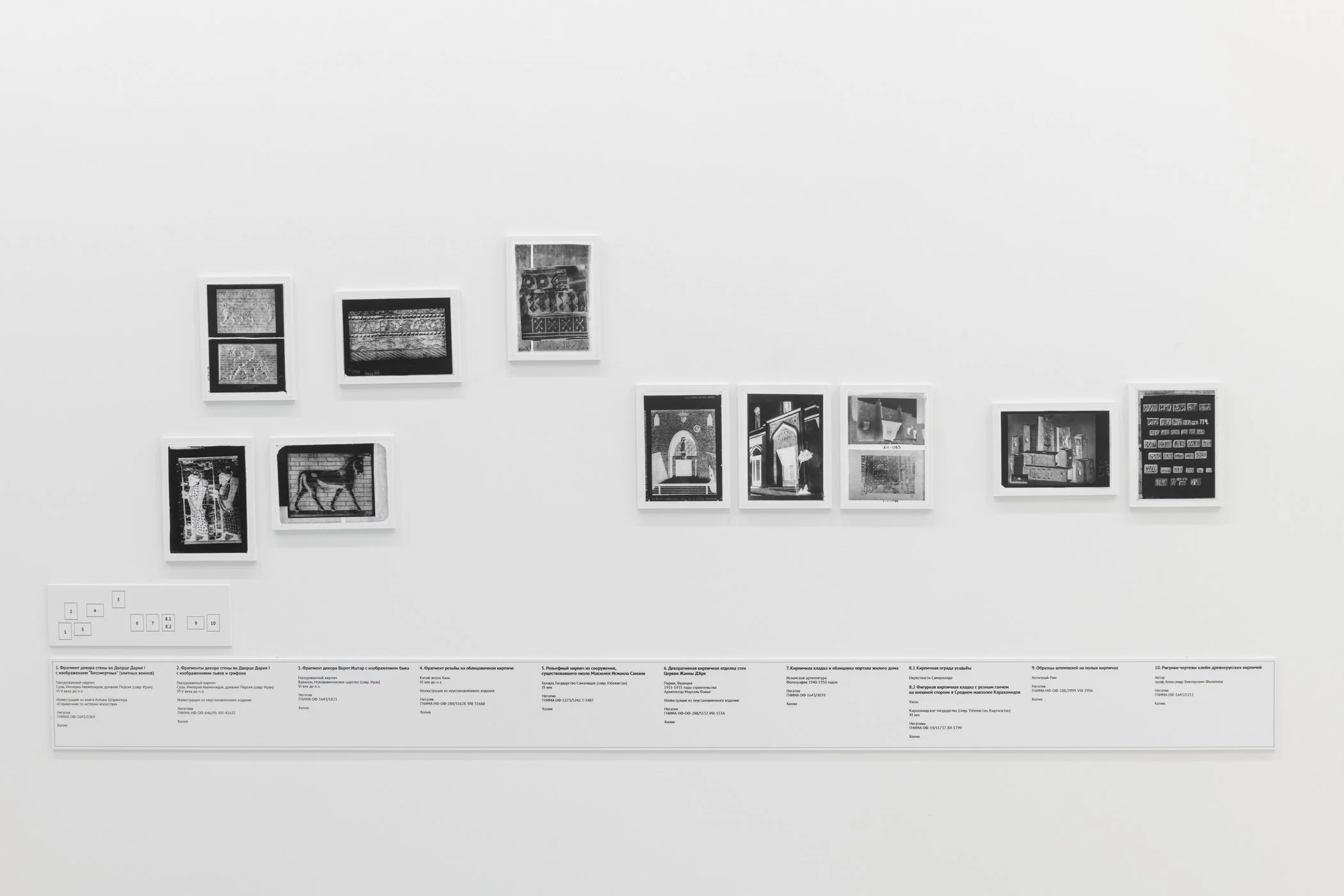
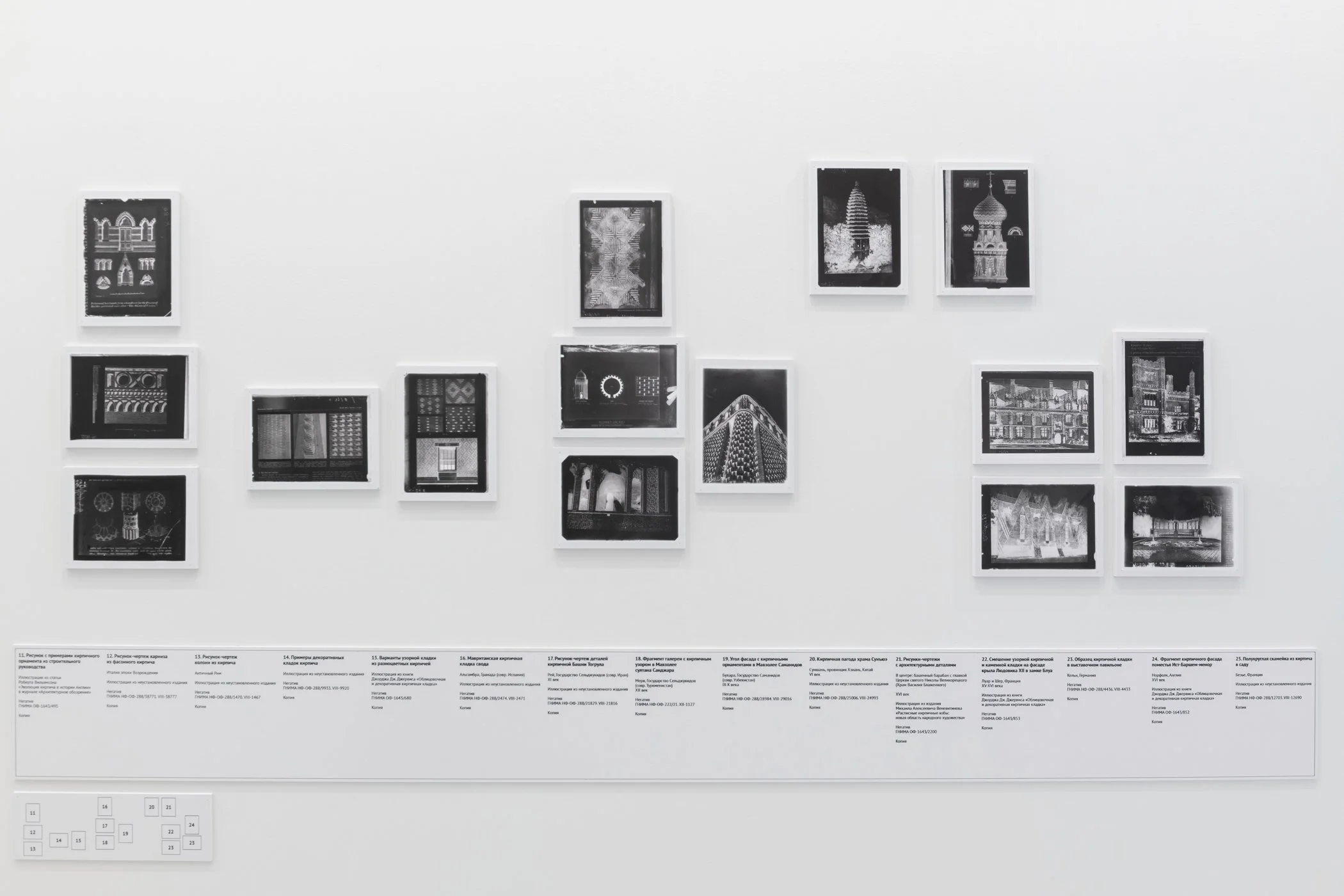
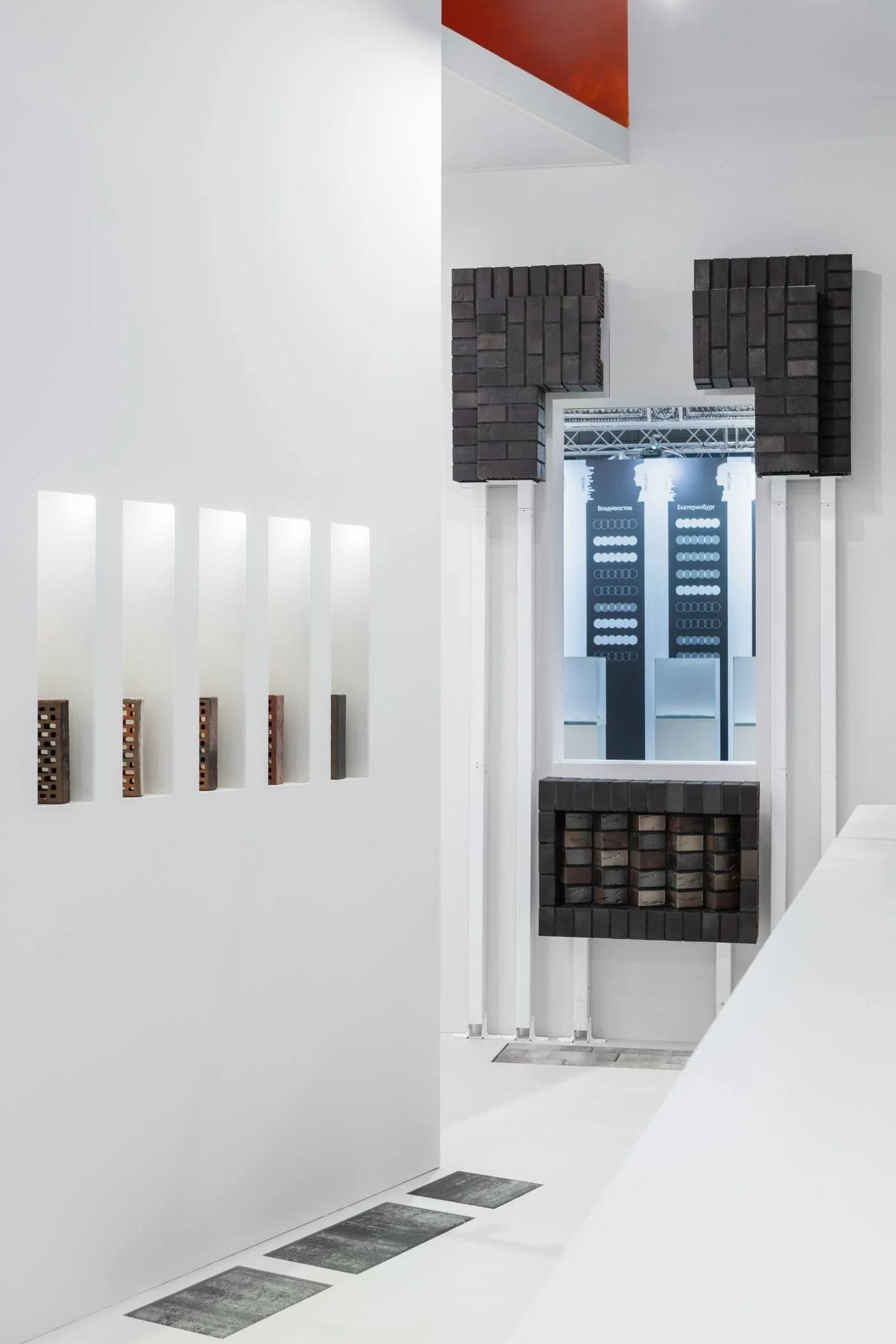
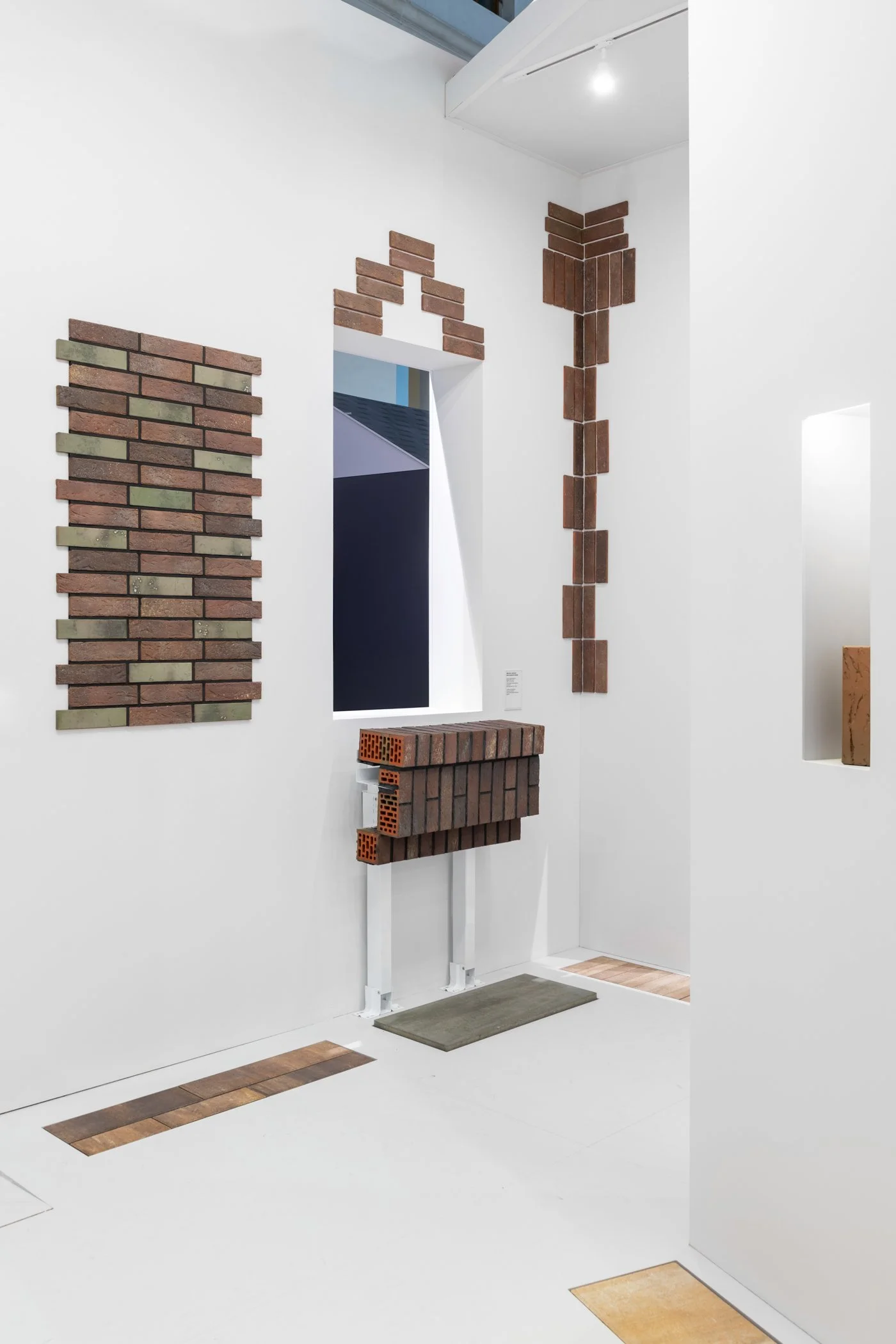
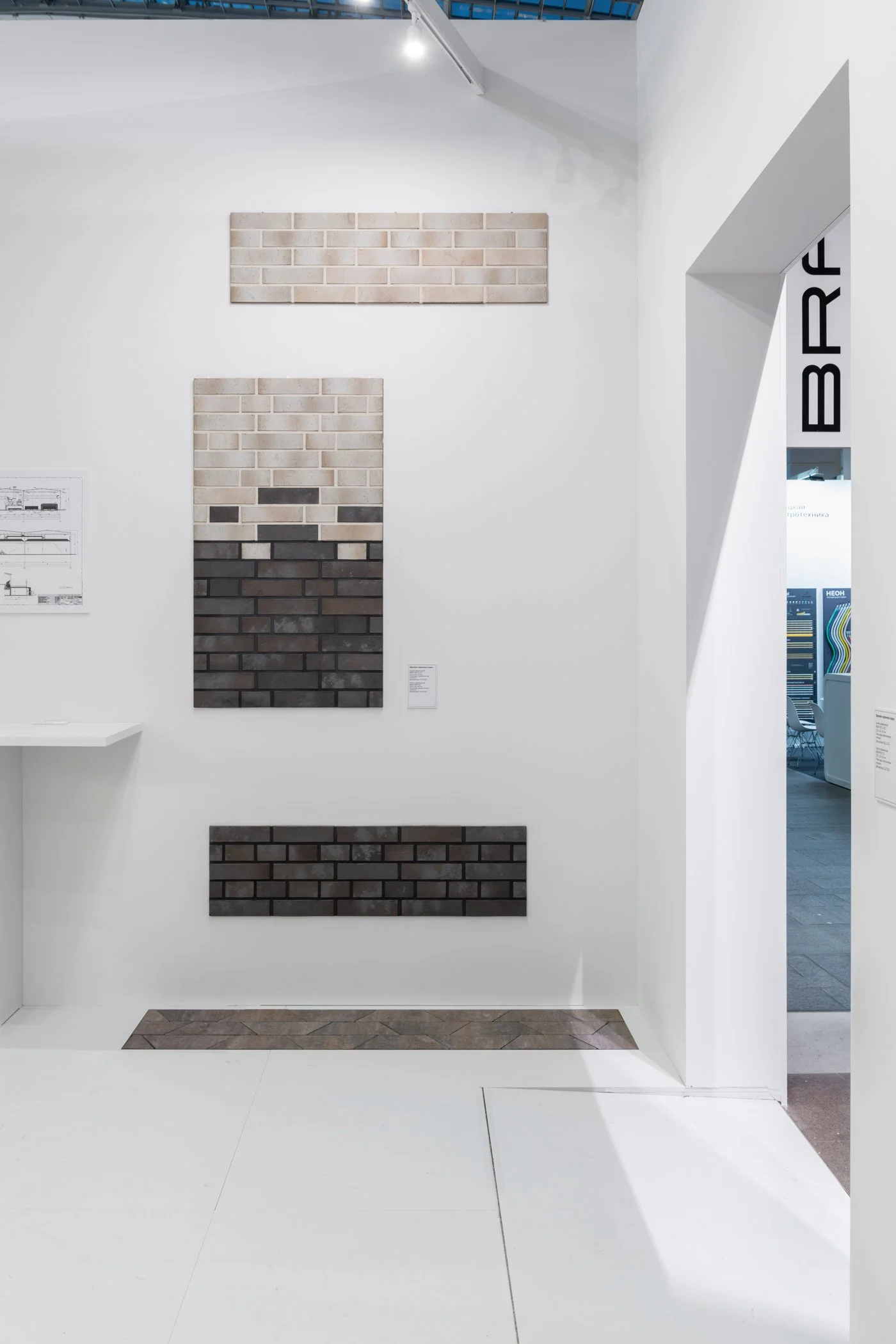
Today, brick is often used not as a primary structural material, but as a cladding or façade finish. However, unlike many other finishing materials, it does not imitate or parody its original source; rather, it transforms the perception of the object. Its value extends beyond the purely functional and acquires an architectonic-aesthetic dimension.
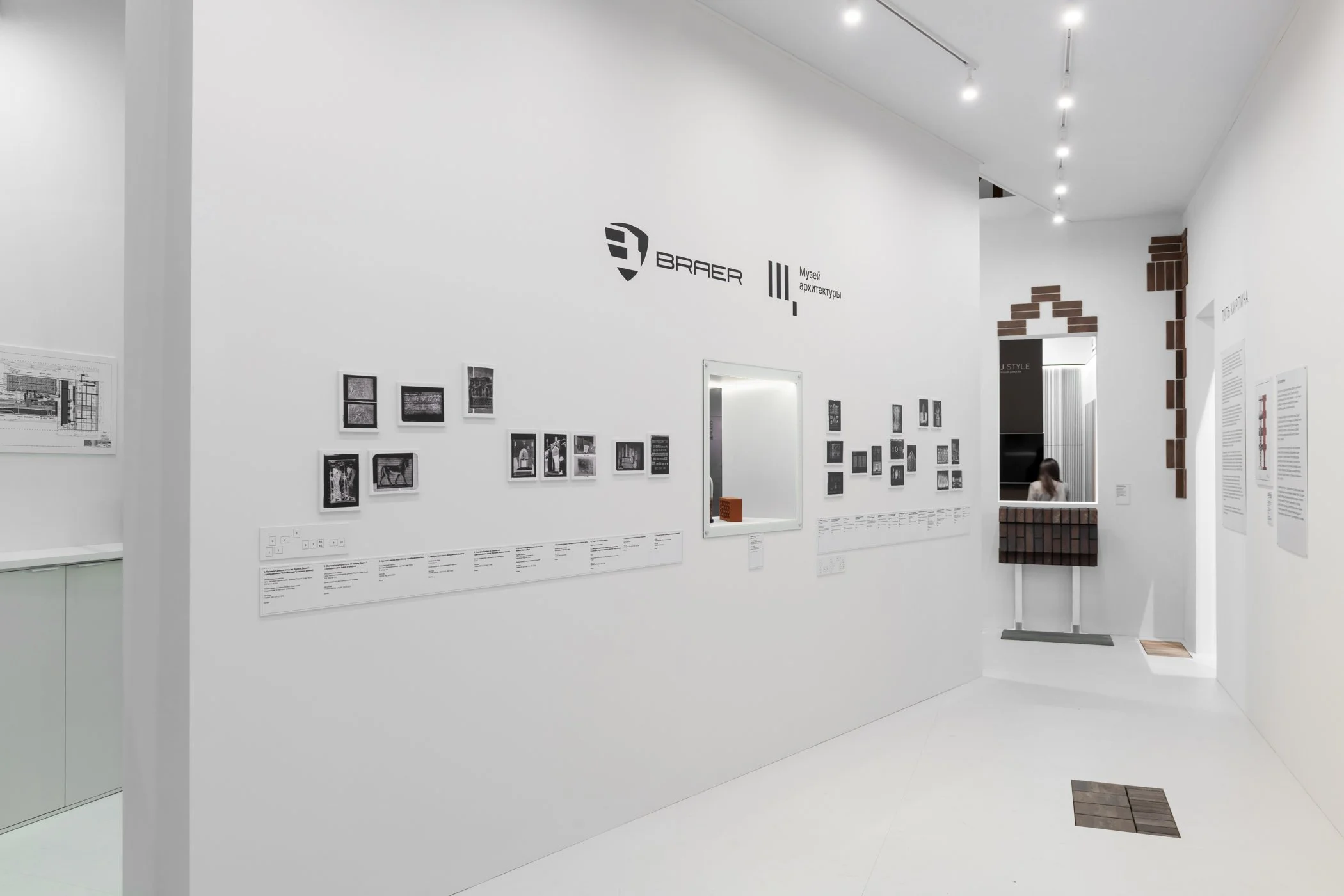
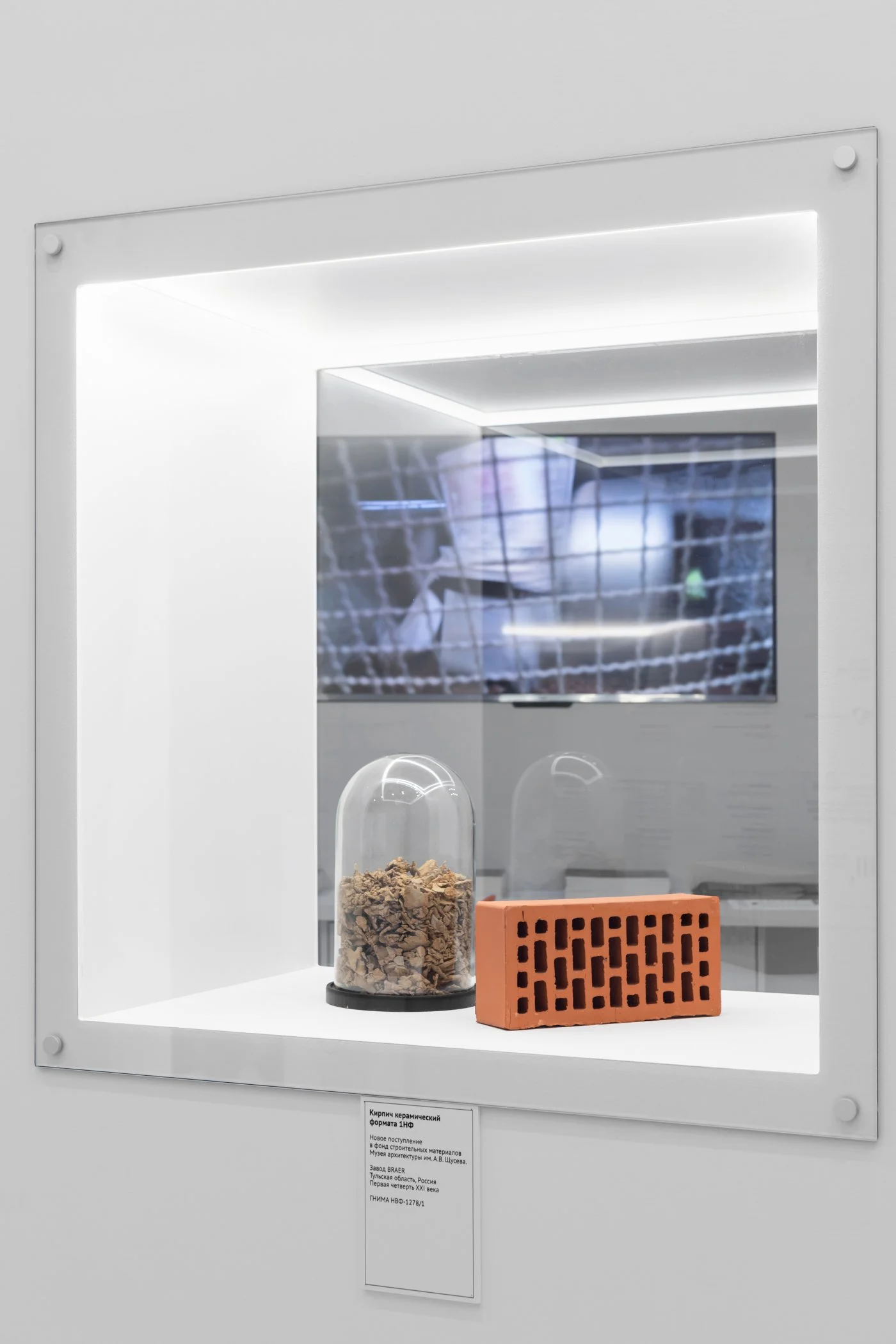
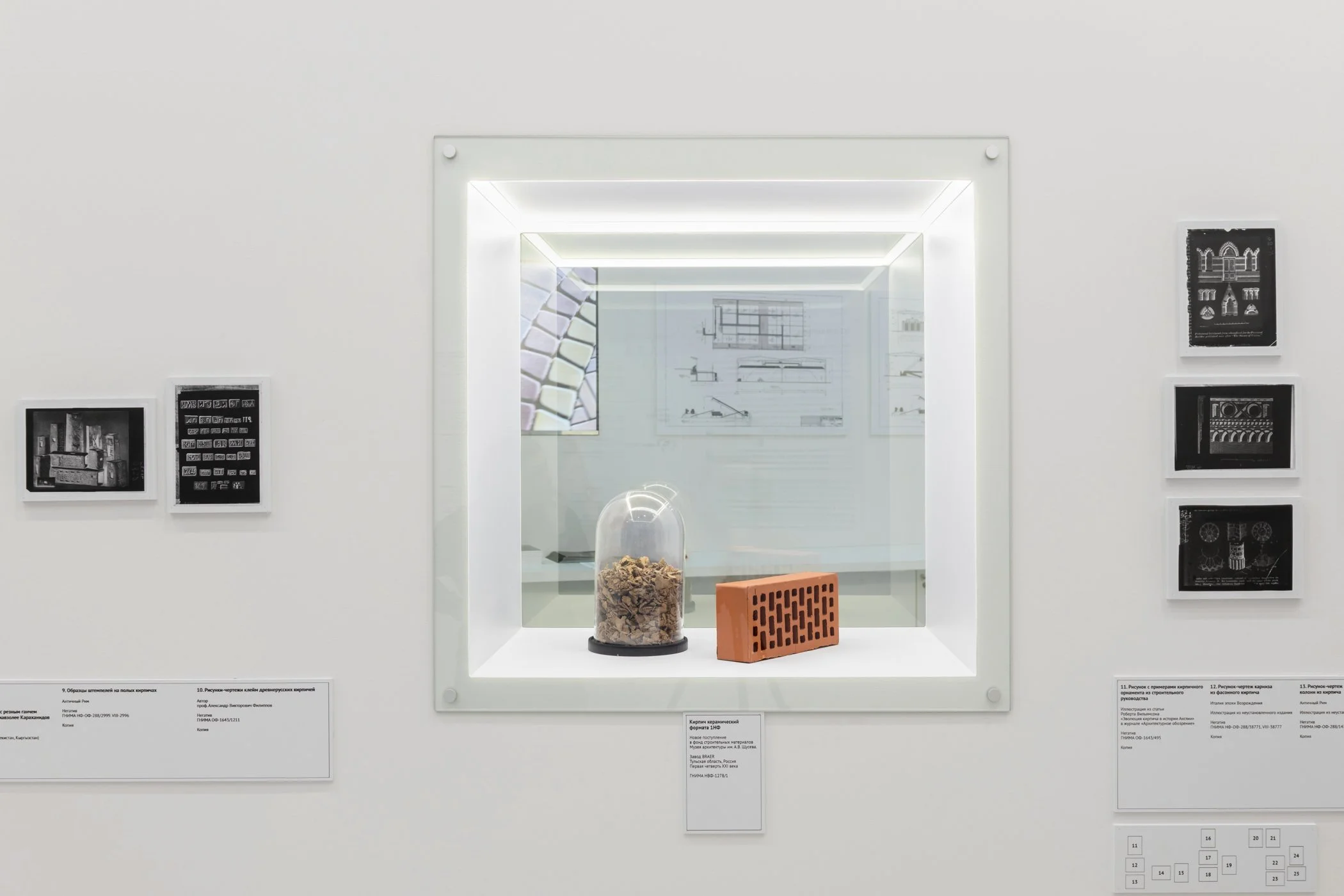
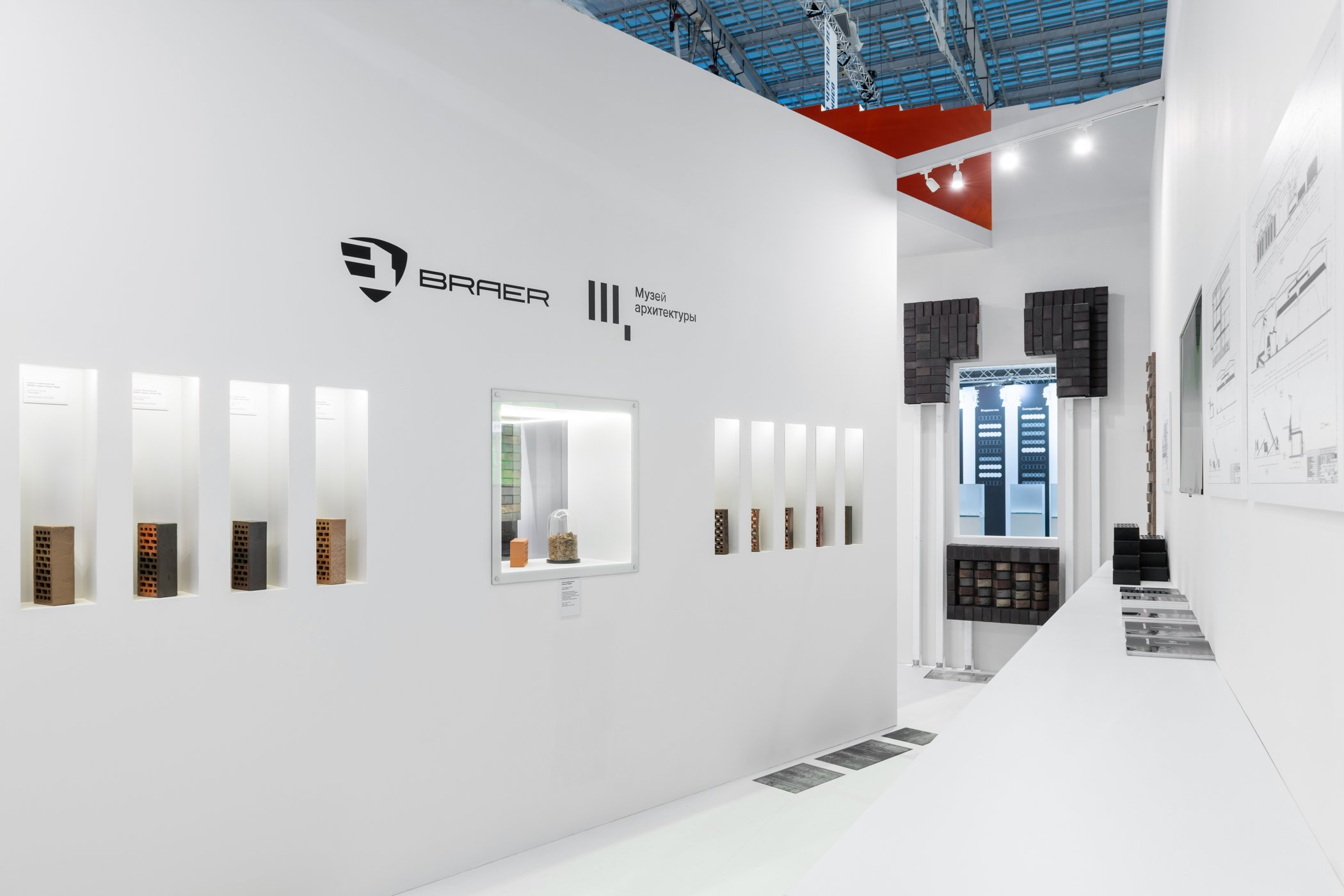
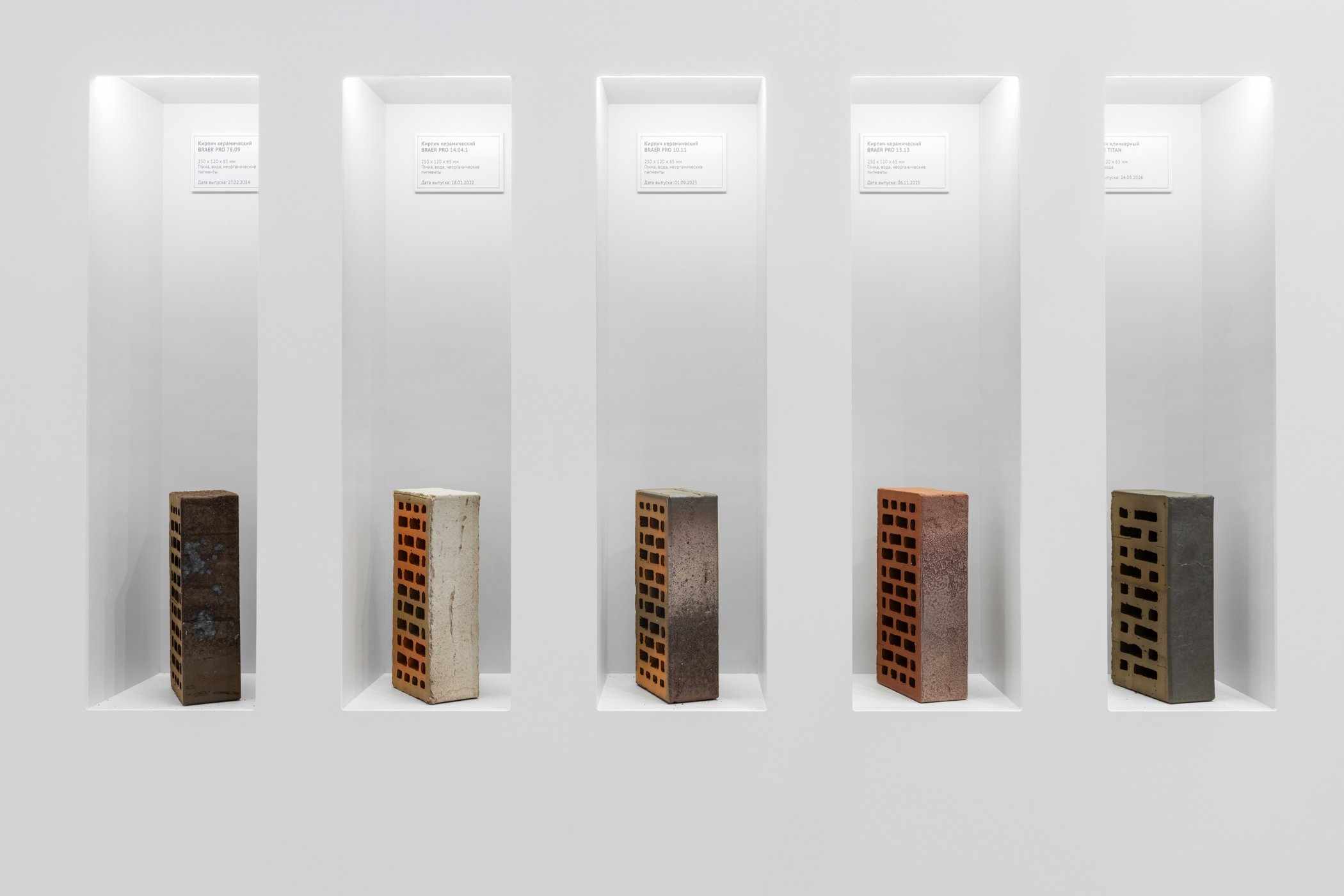
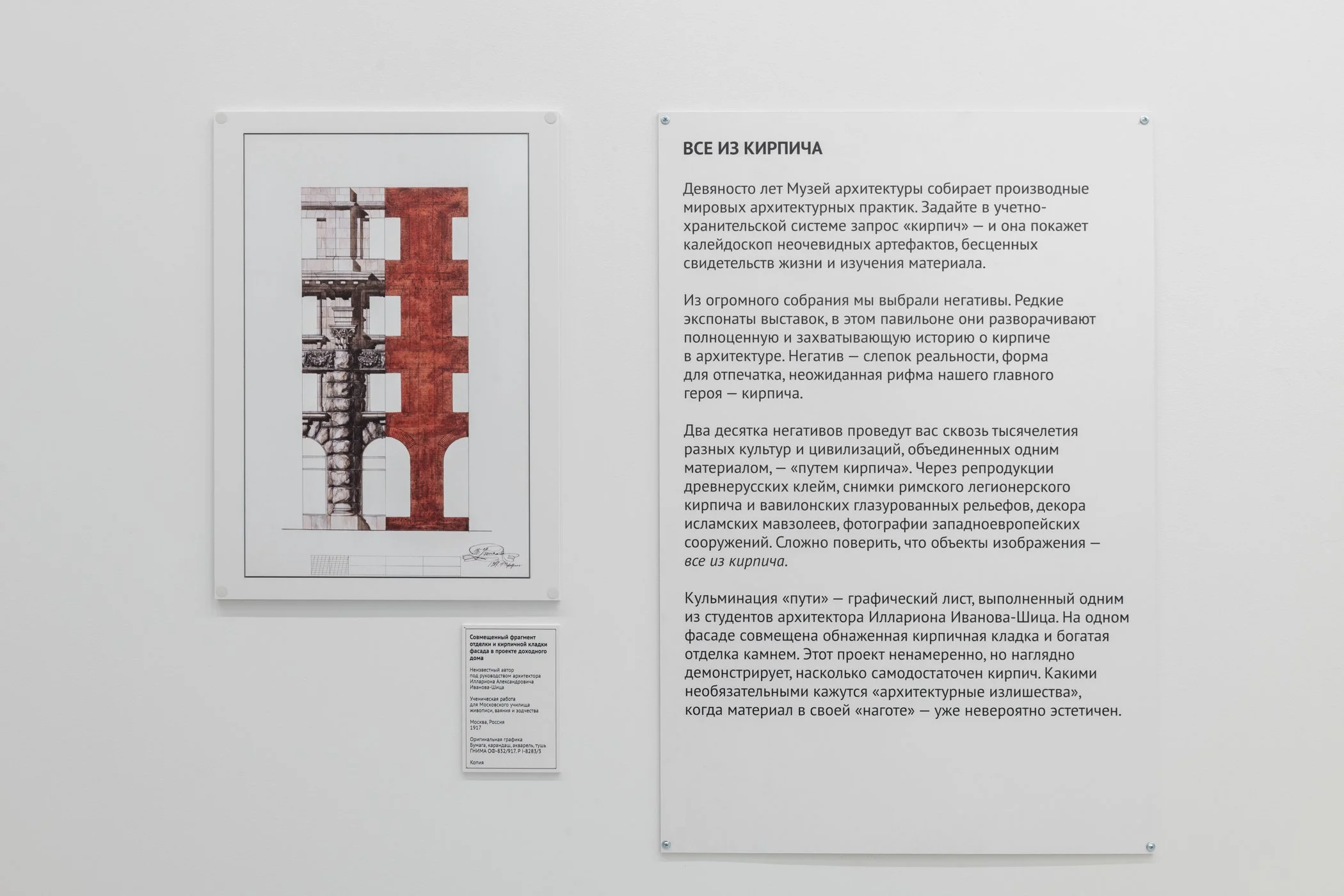
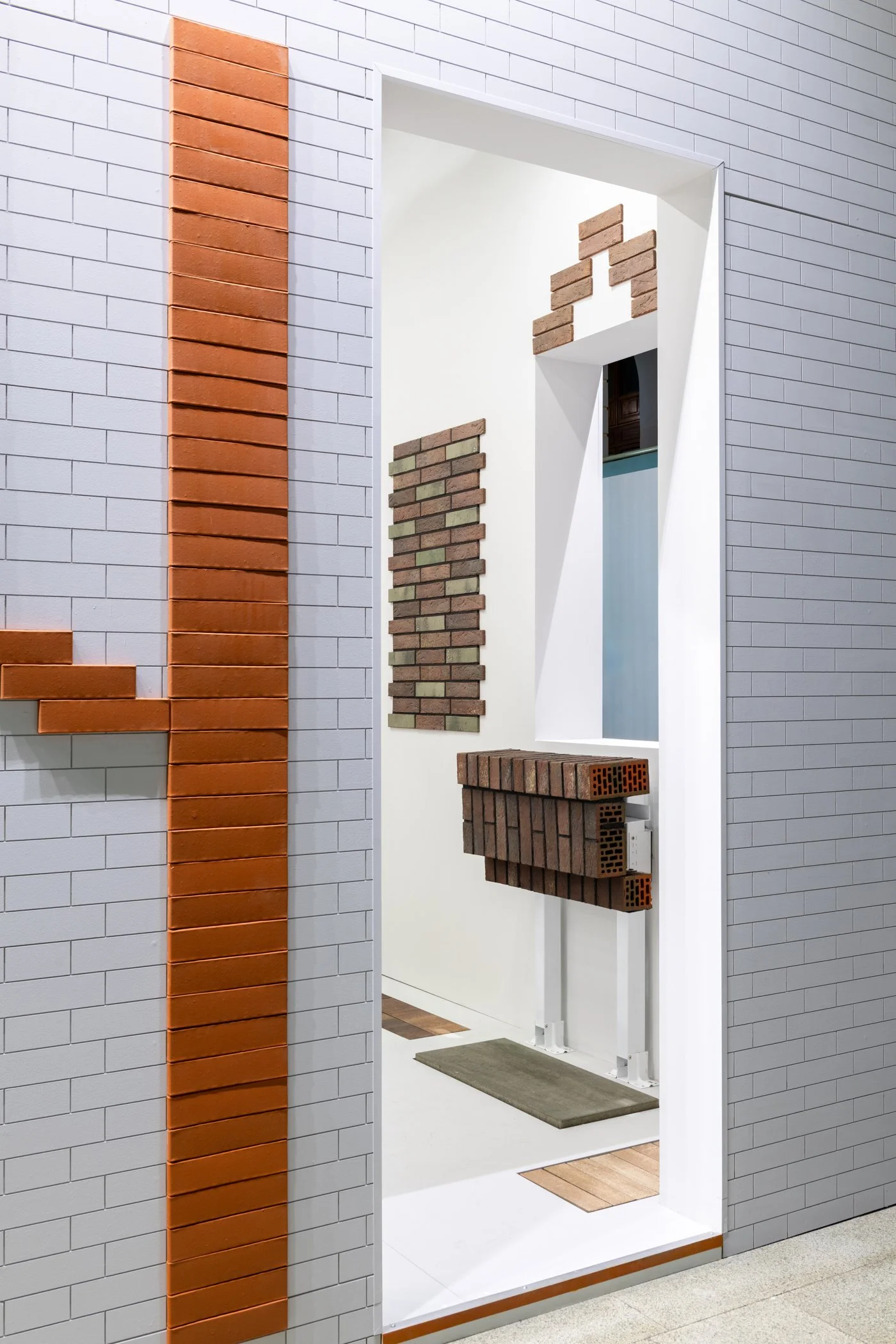
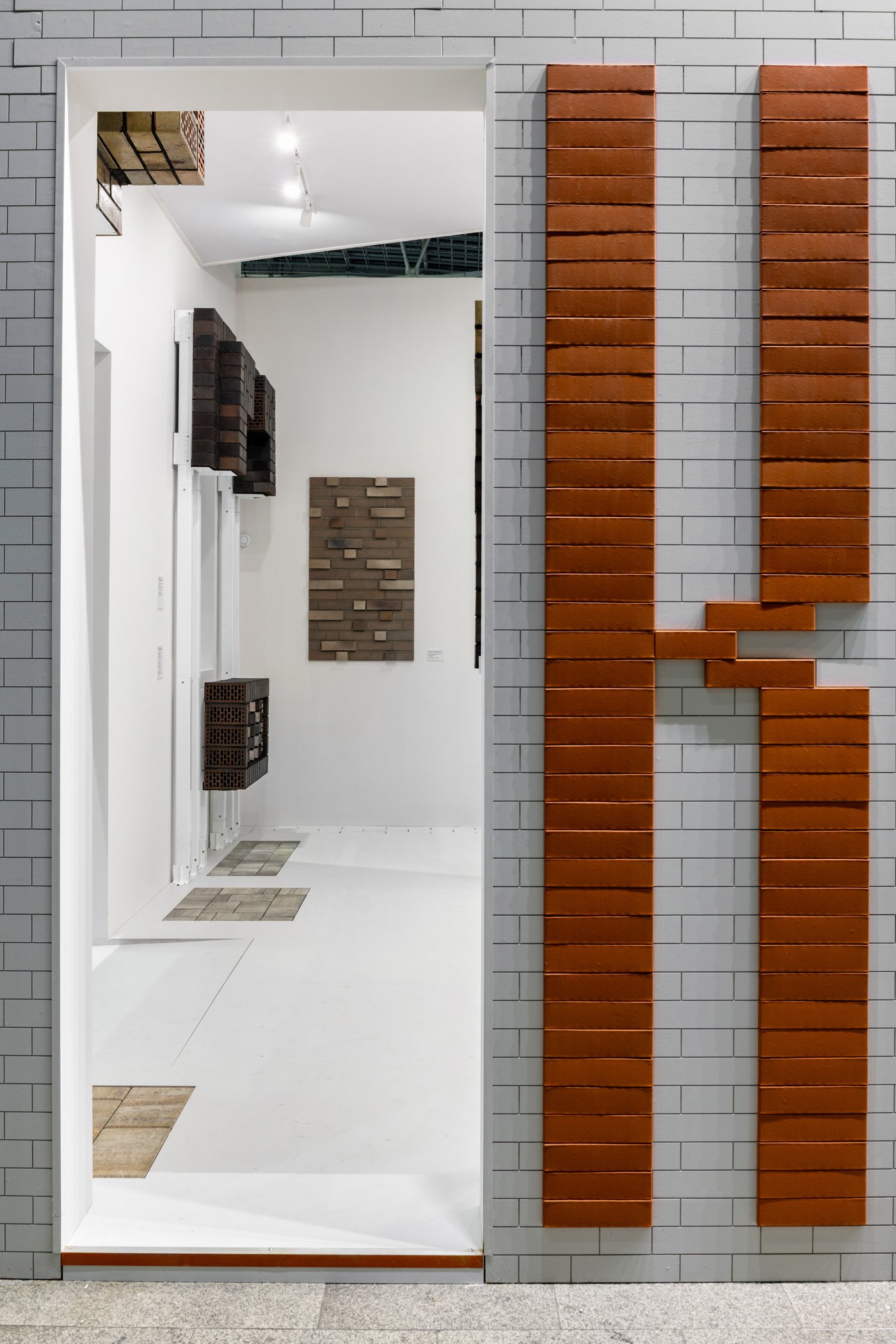
In the pavilion, the brick becomes an exhibit and takes center stage — as a result of human labor and the historical evolution of the material. It also alludes to canonical architectural details and creates a system of analogies.
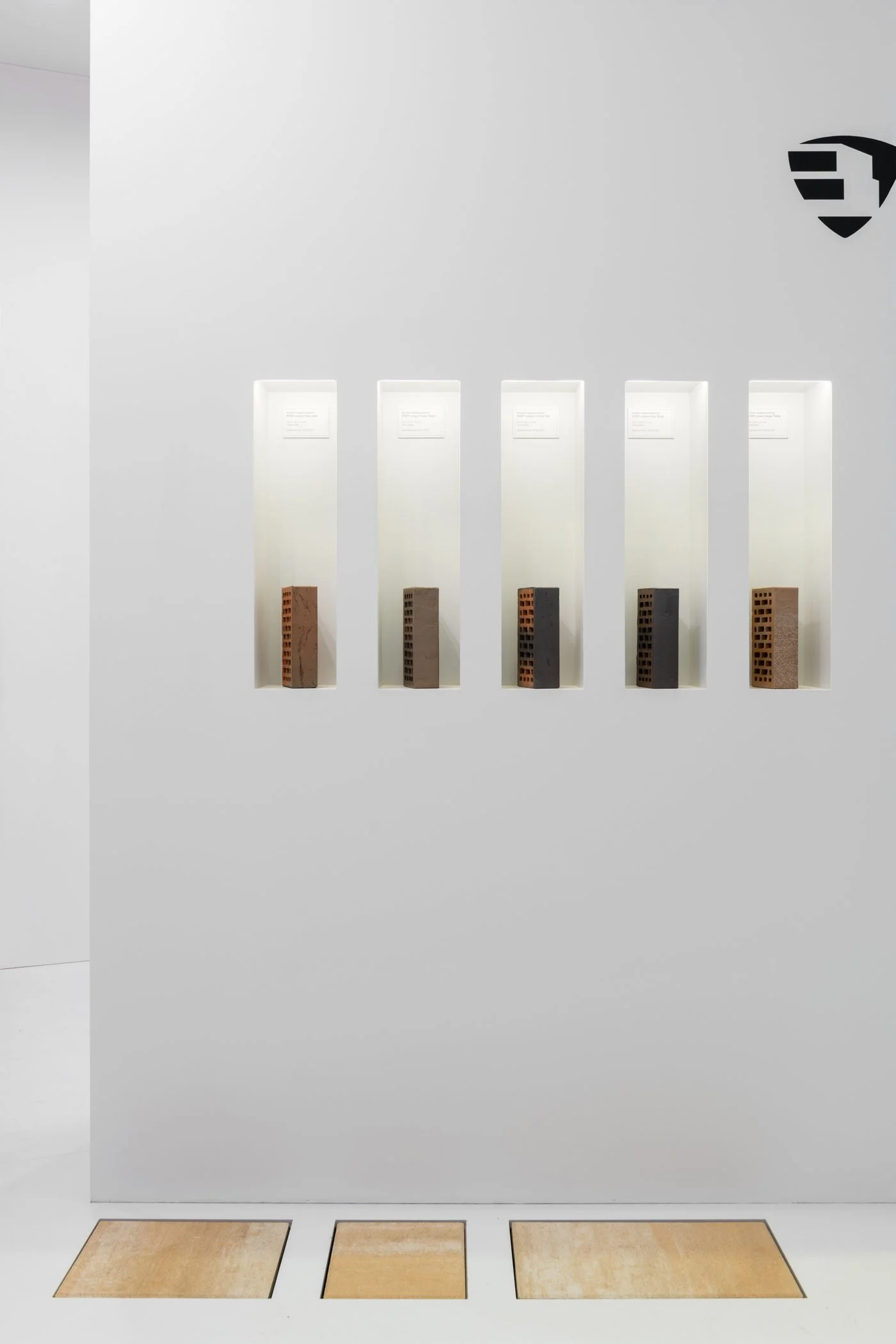
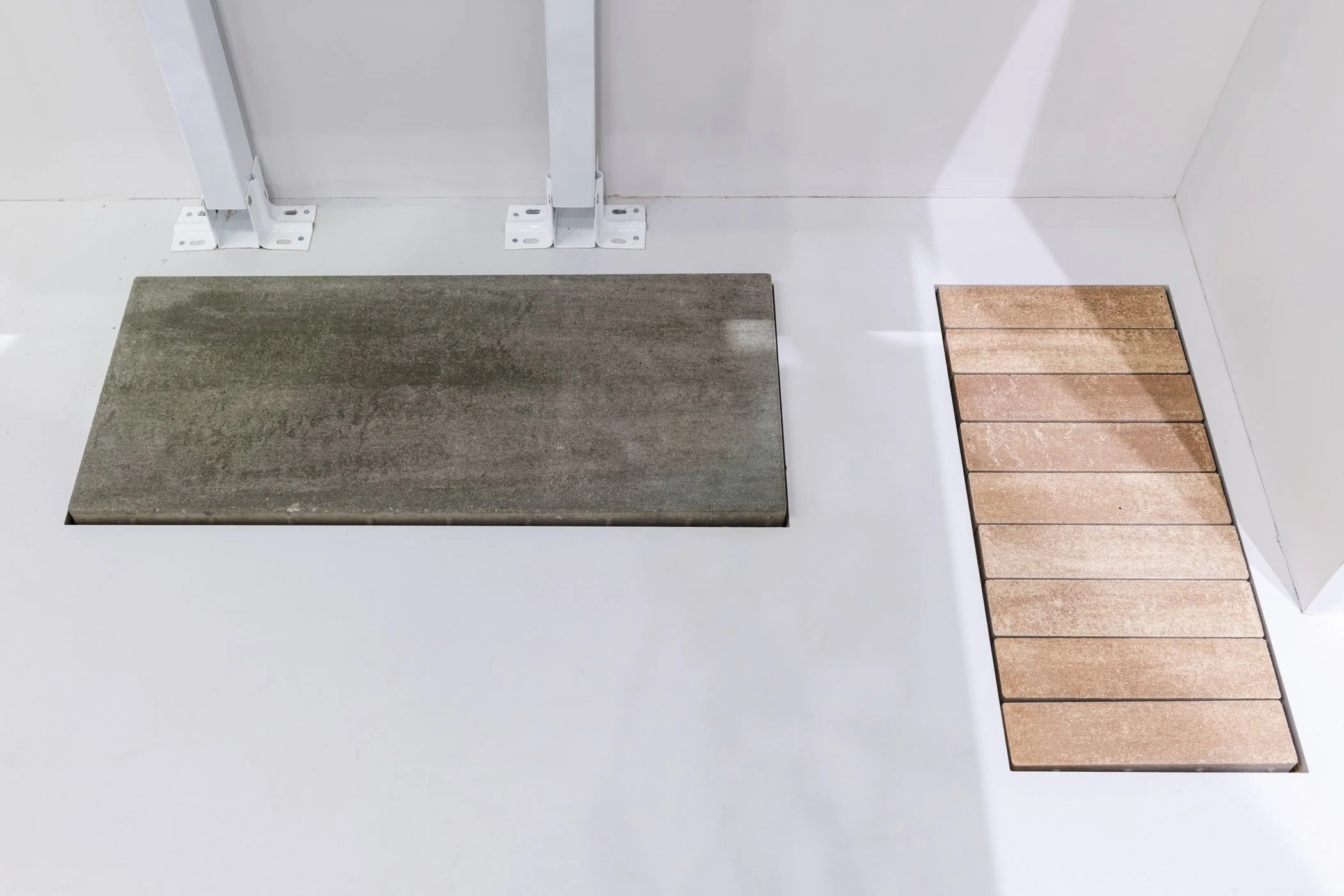
The brick-as-exhibit illustrates an attitude toward the object as a self-sufficient work. It is removed from the construction sequence, loses its immediate utilitarian function, and appears as an ideal — as an Exemplum. Yet its autonomy is not absolute: it is rooted in the multiplicity of 'ordinary' bricks that continue to fulfill their structural role. It is precisely this tension between seriality and exceptionality that gives rise to an analogy with the classical museum space — strict, symmetrical, academic — where the object rises above its background and attains the status of an ideal.
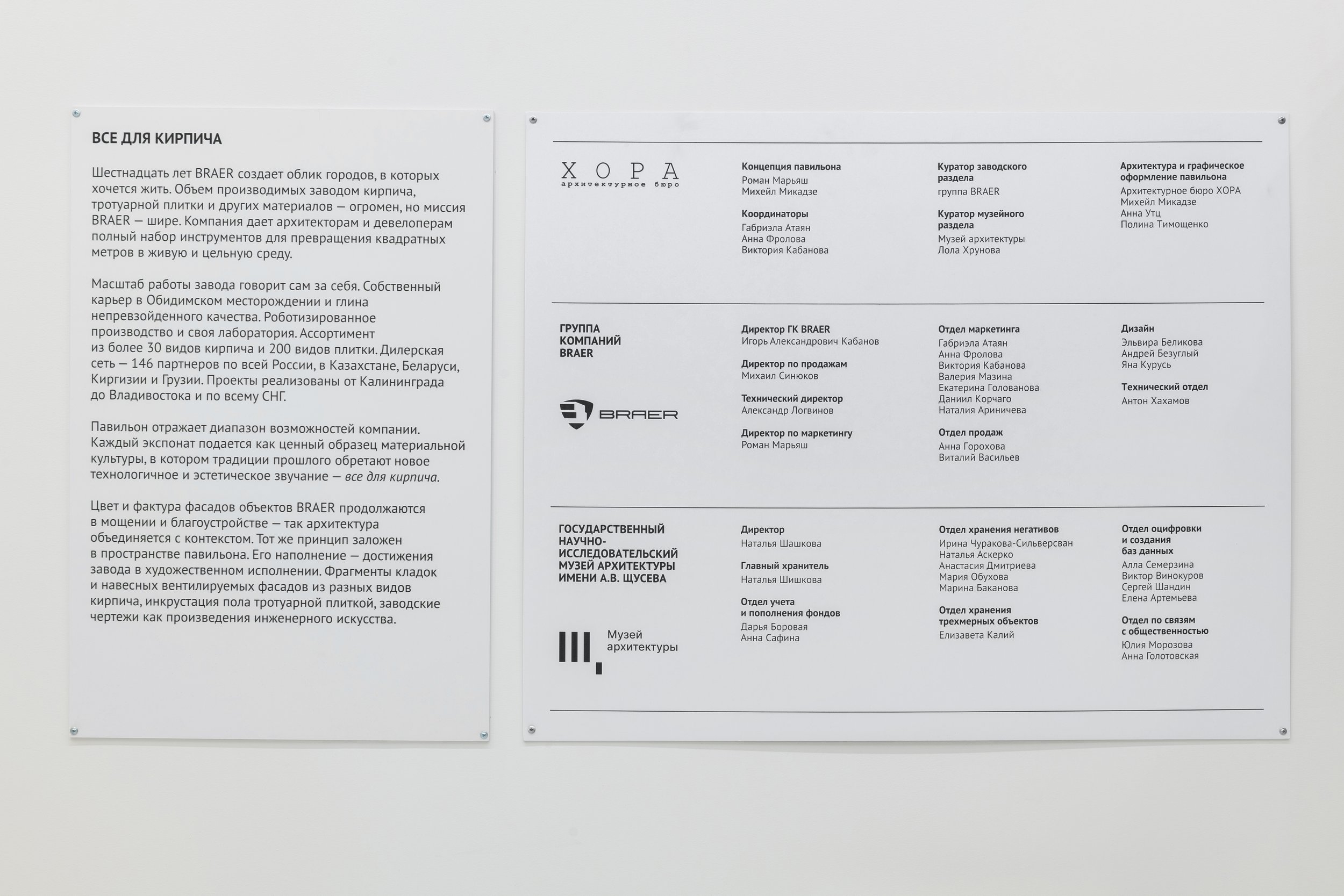
Team: Mikheil Mikadze, Anna Utts, Polina Timoschenko
Photography: Julia Zakharova