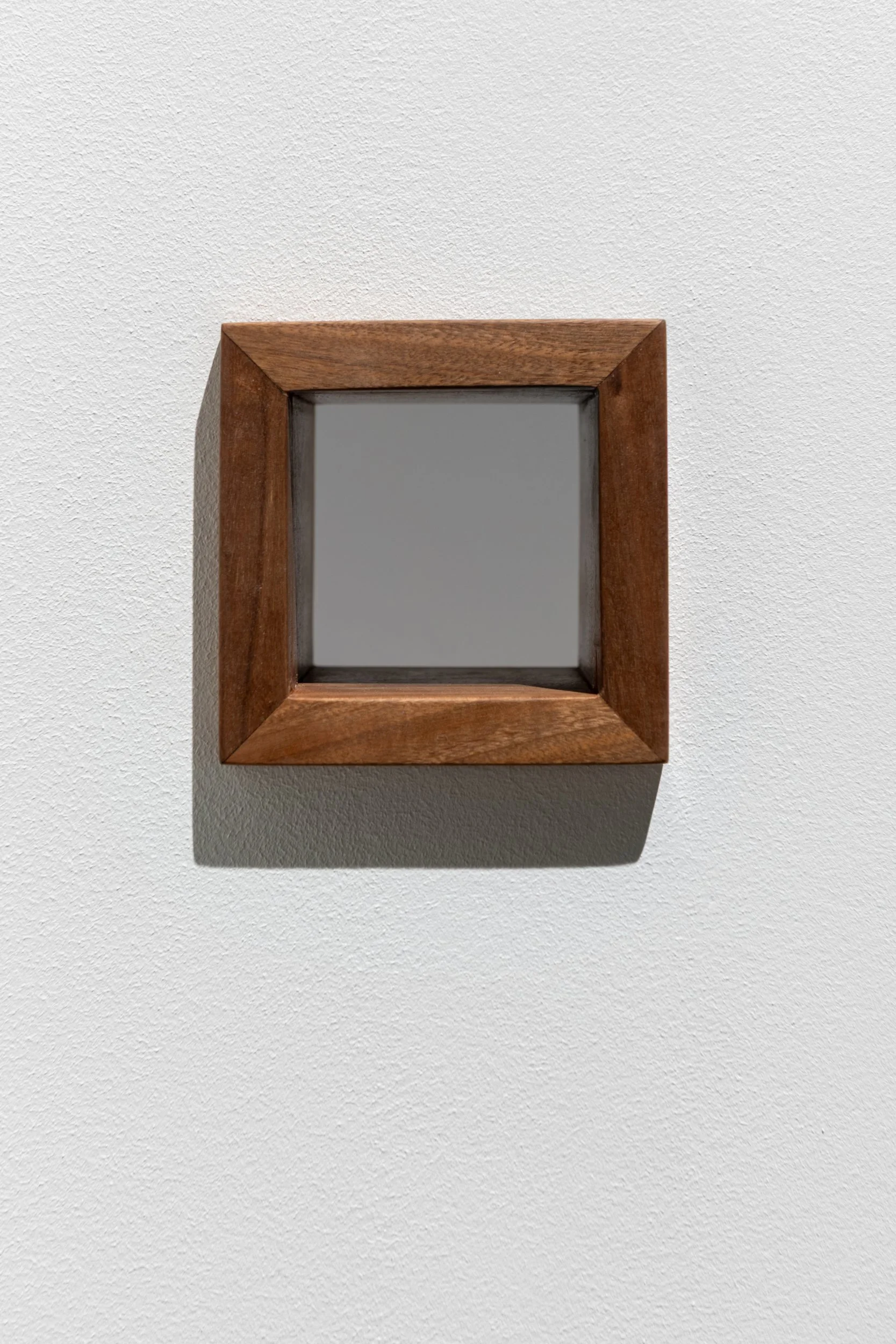
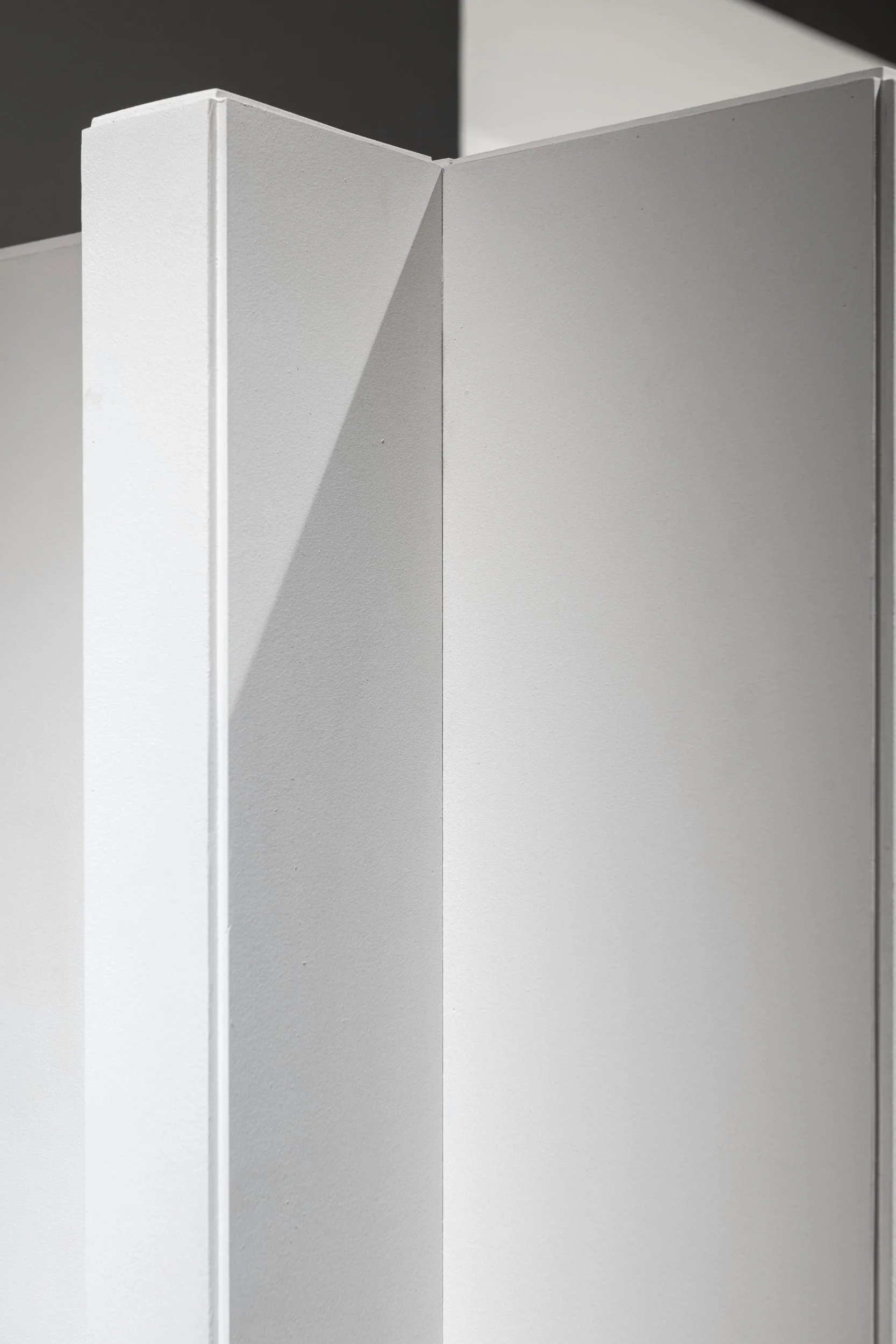
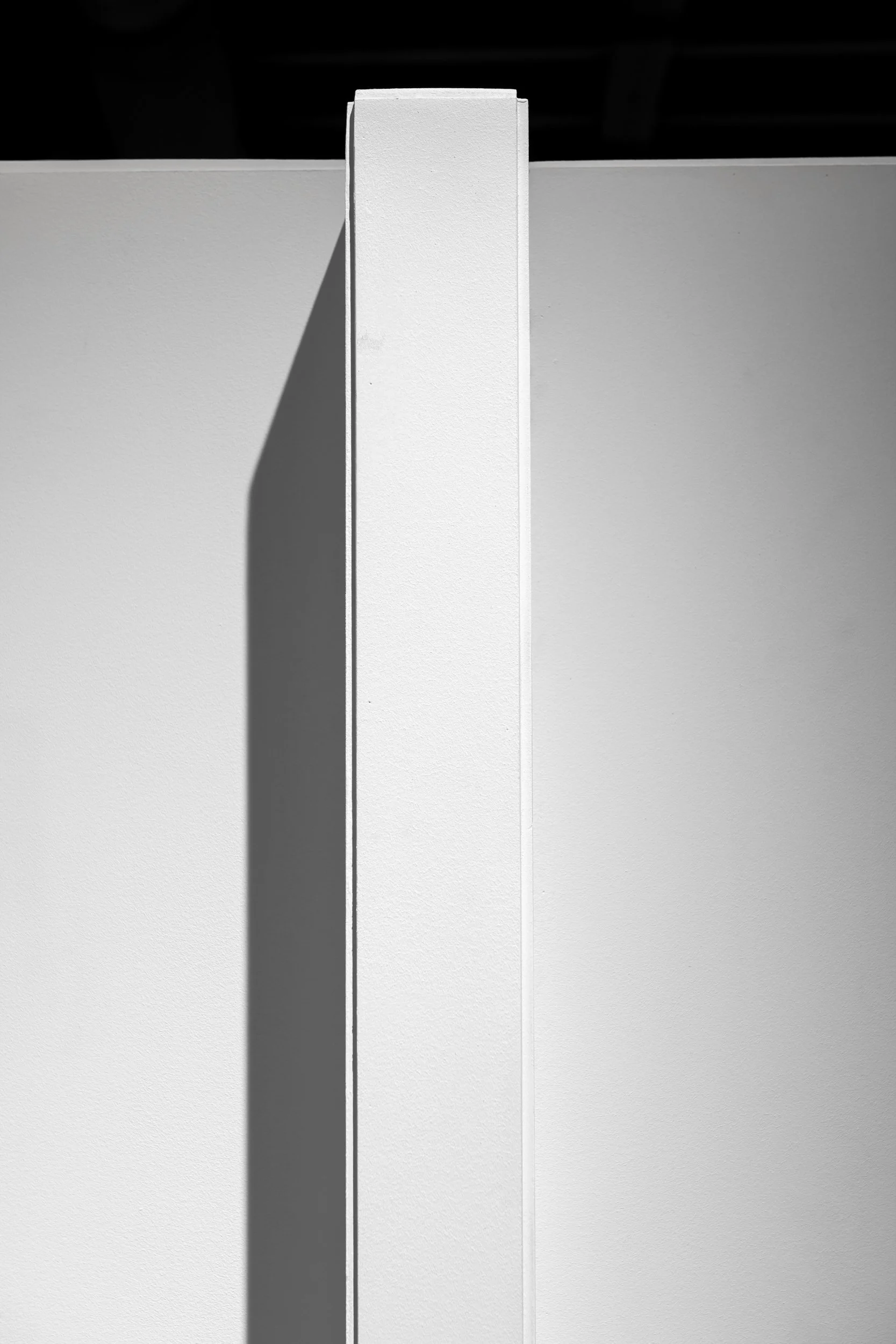
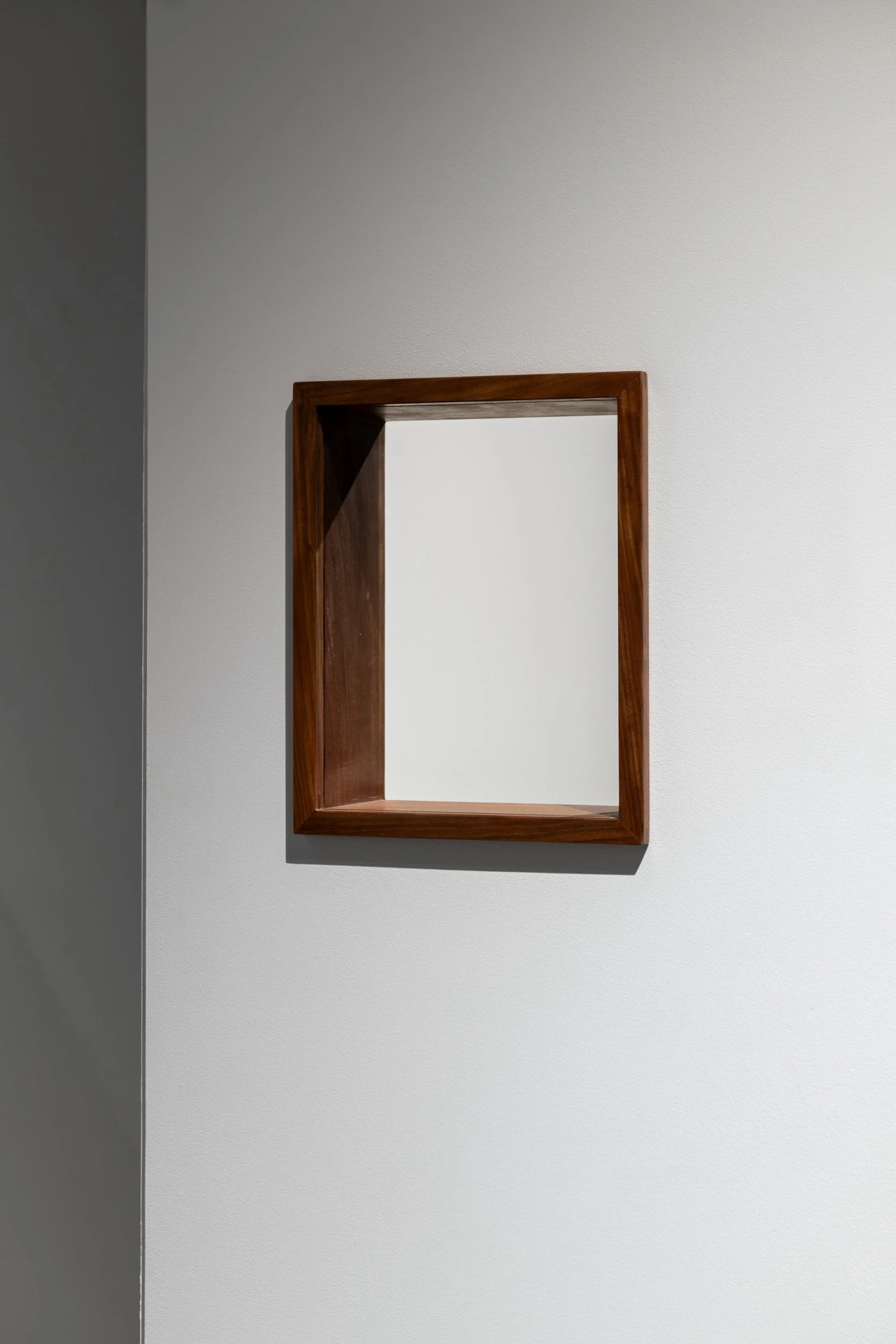
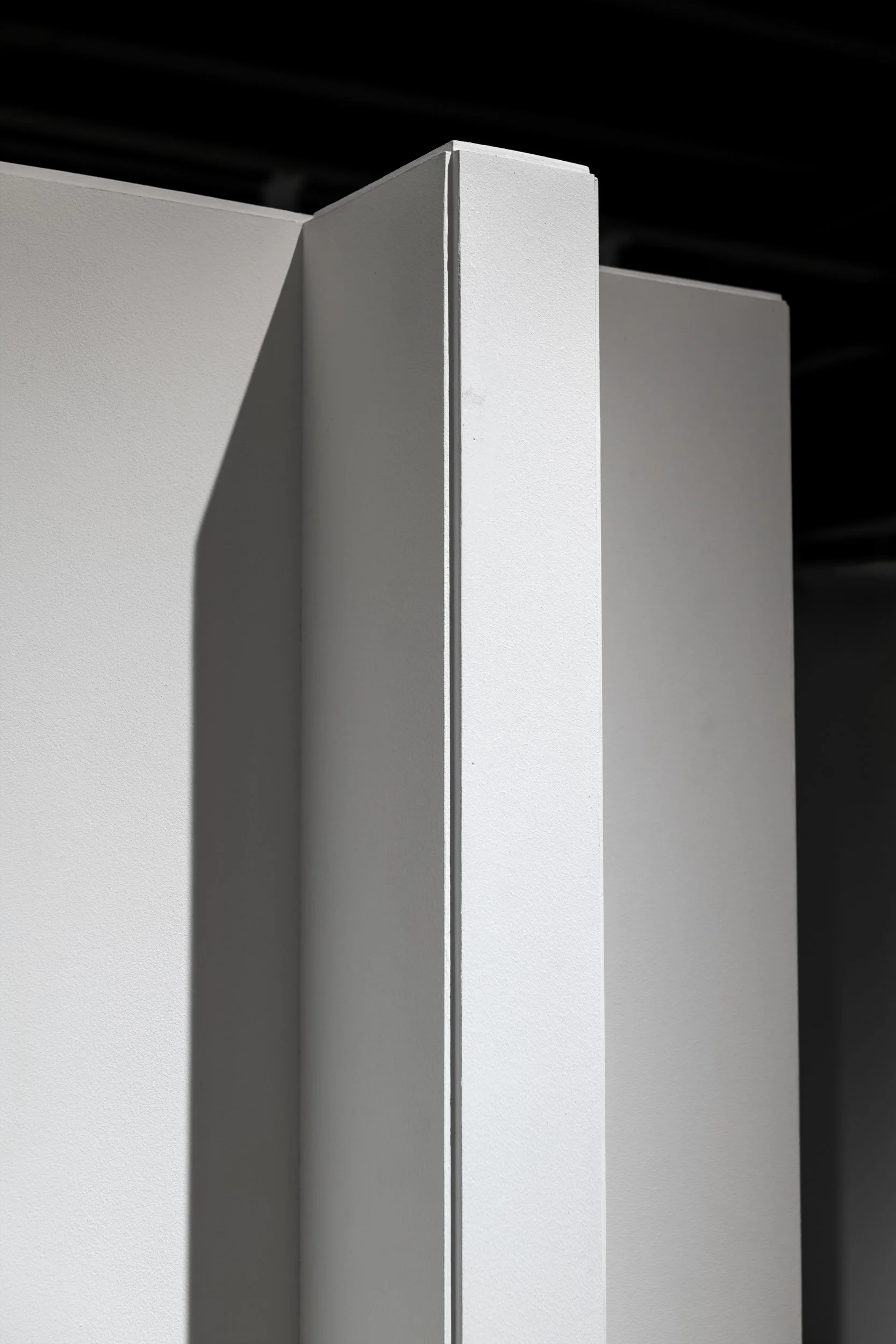
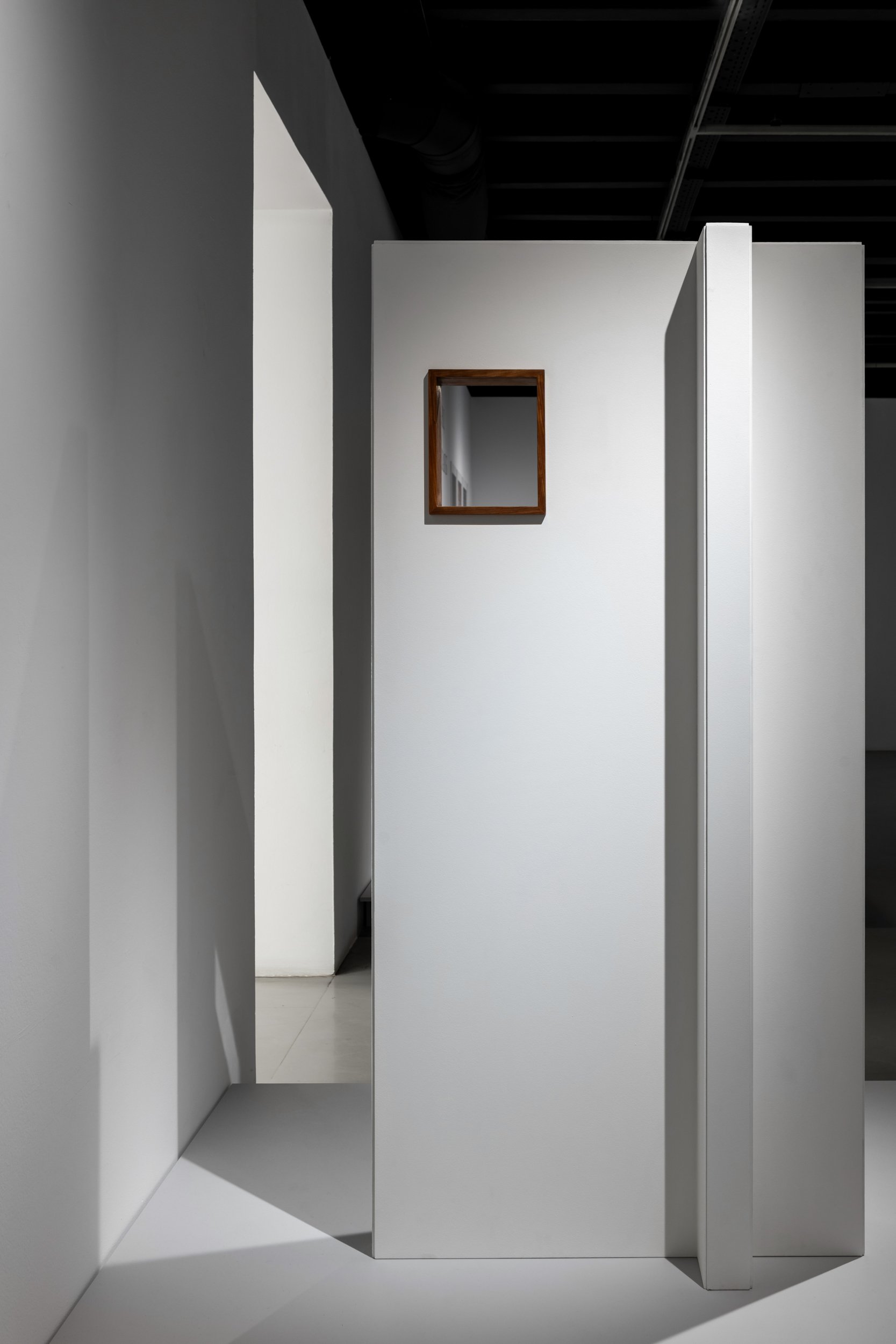
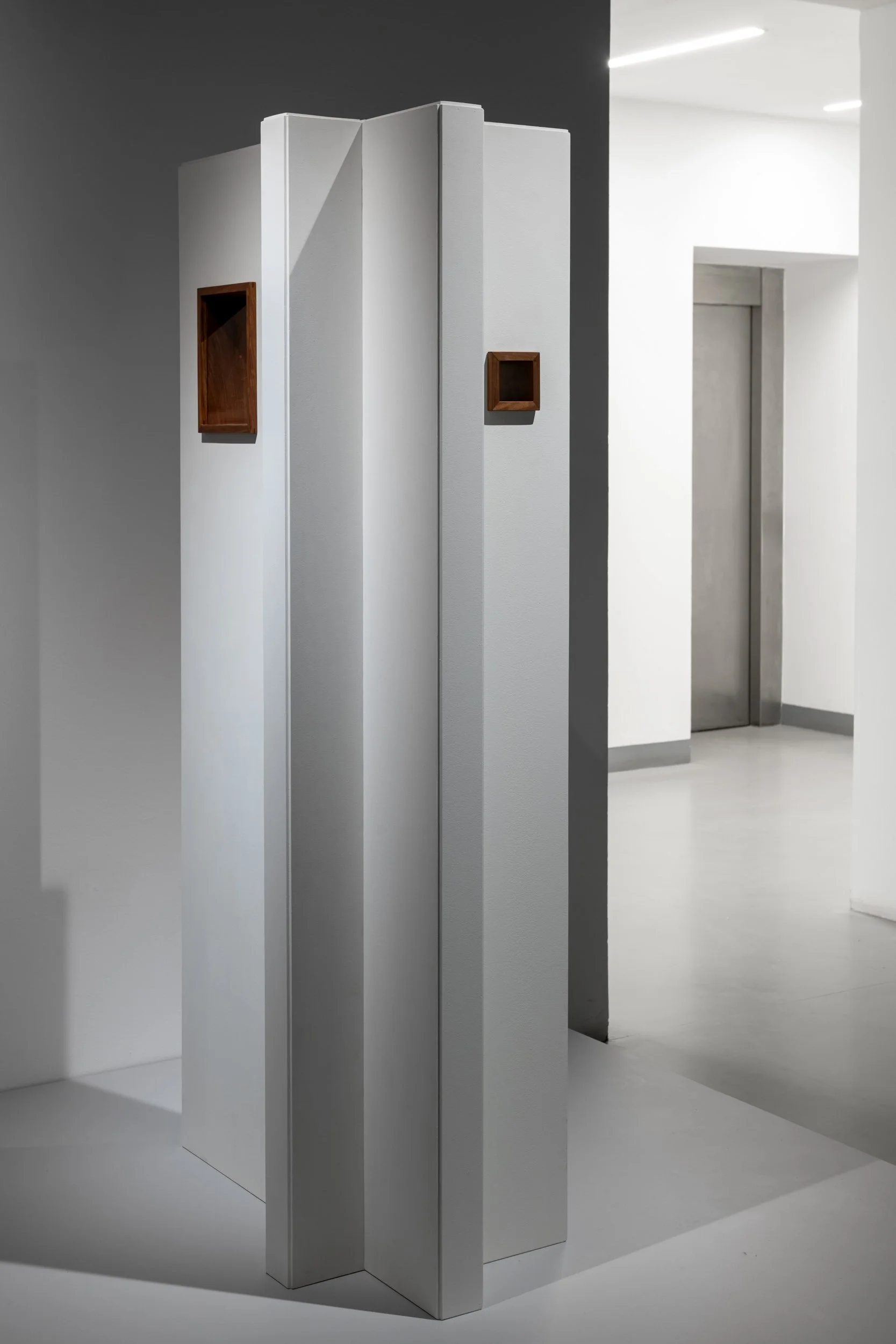
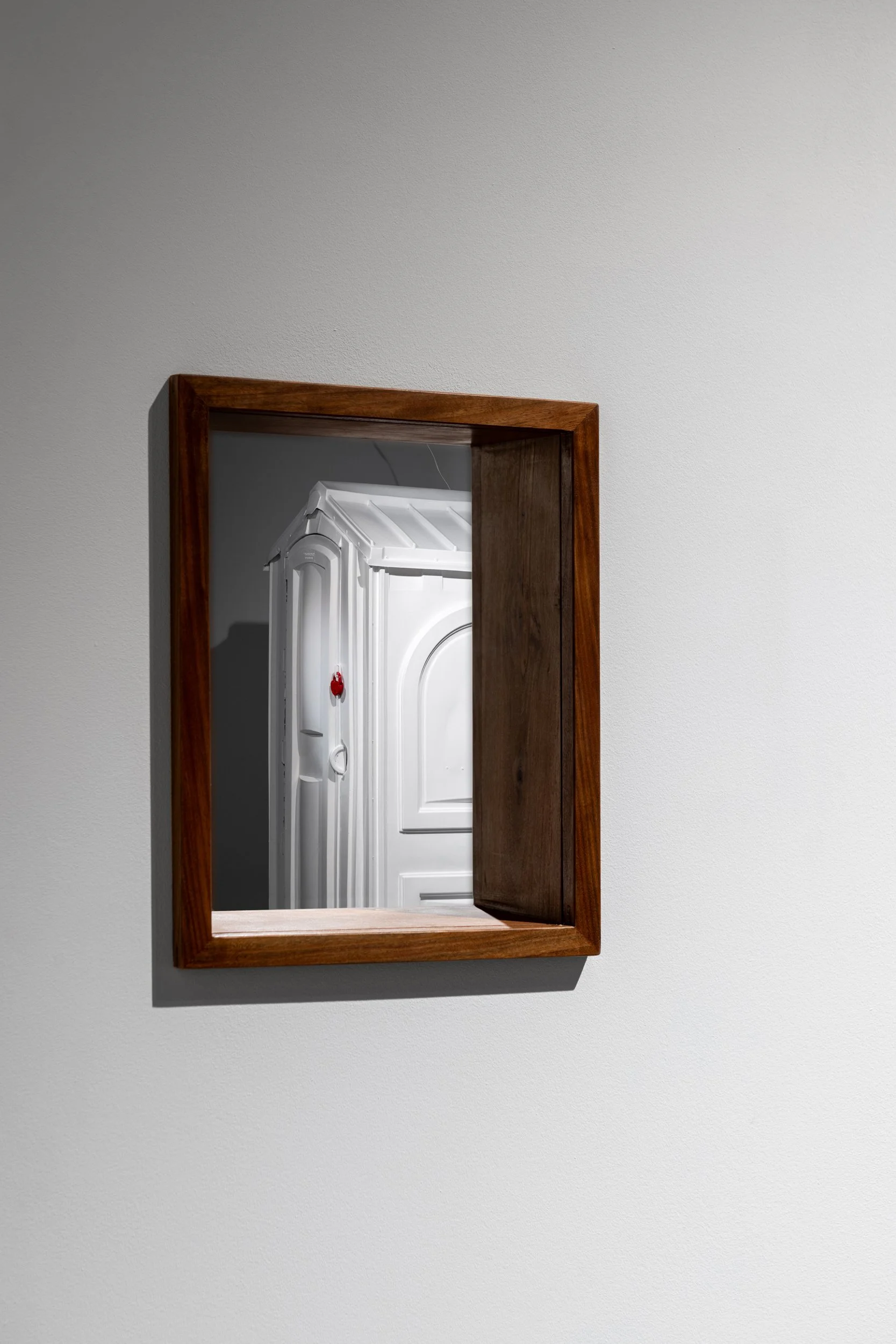
Intus Fenestra
2026
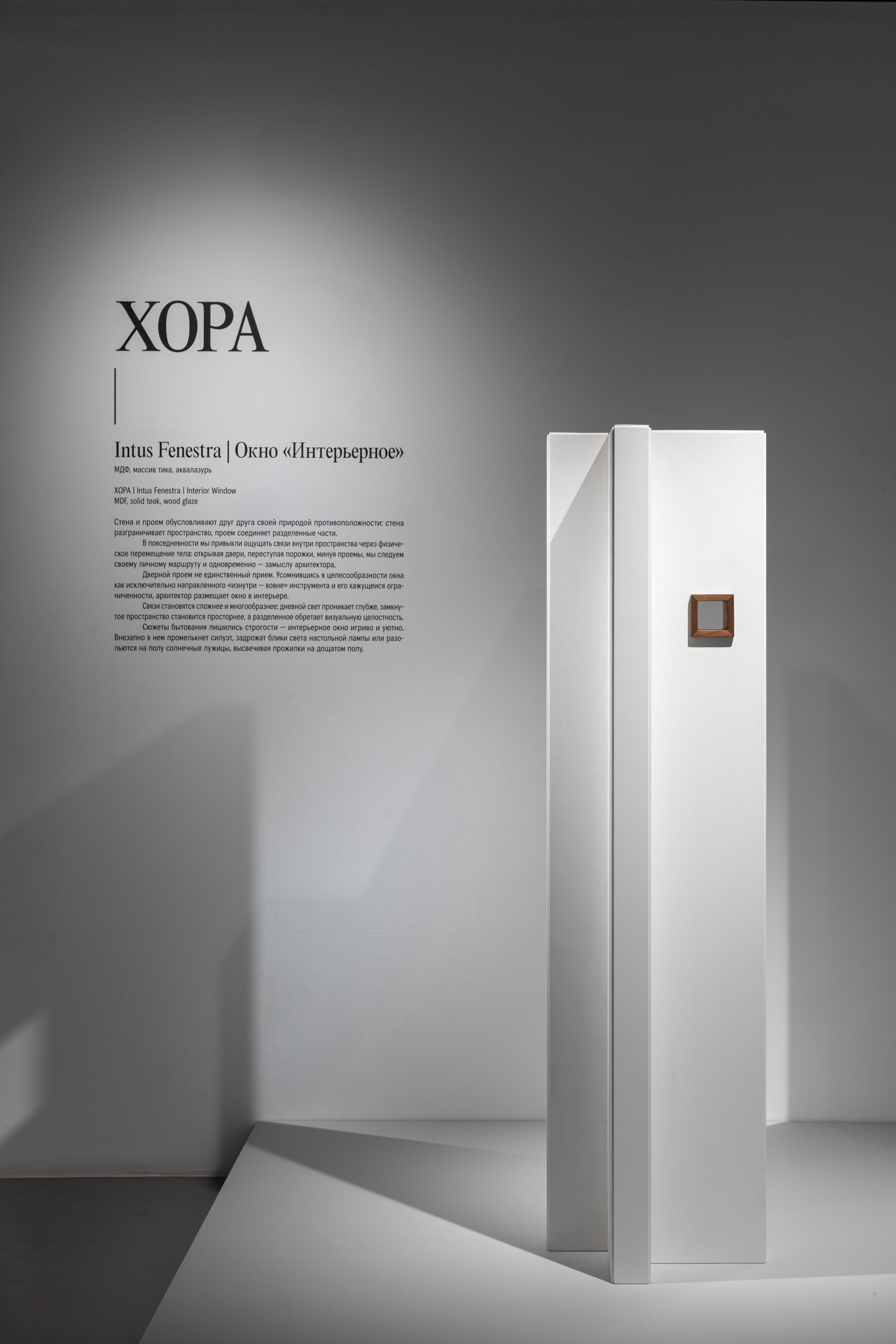
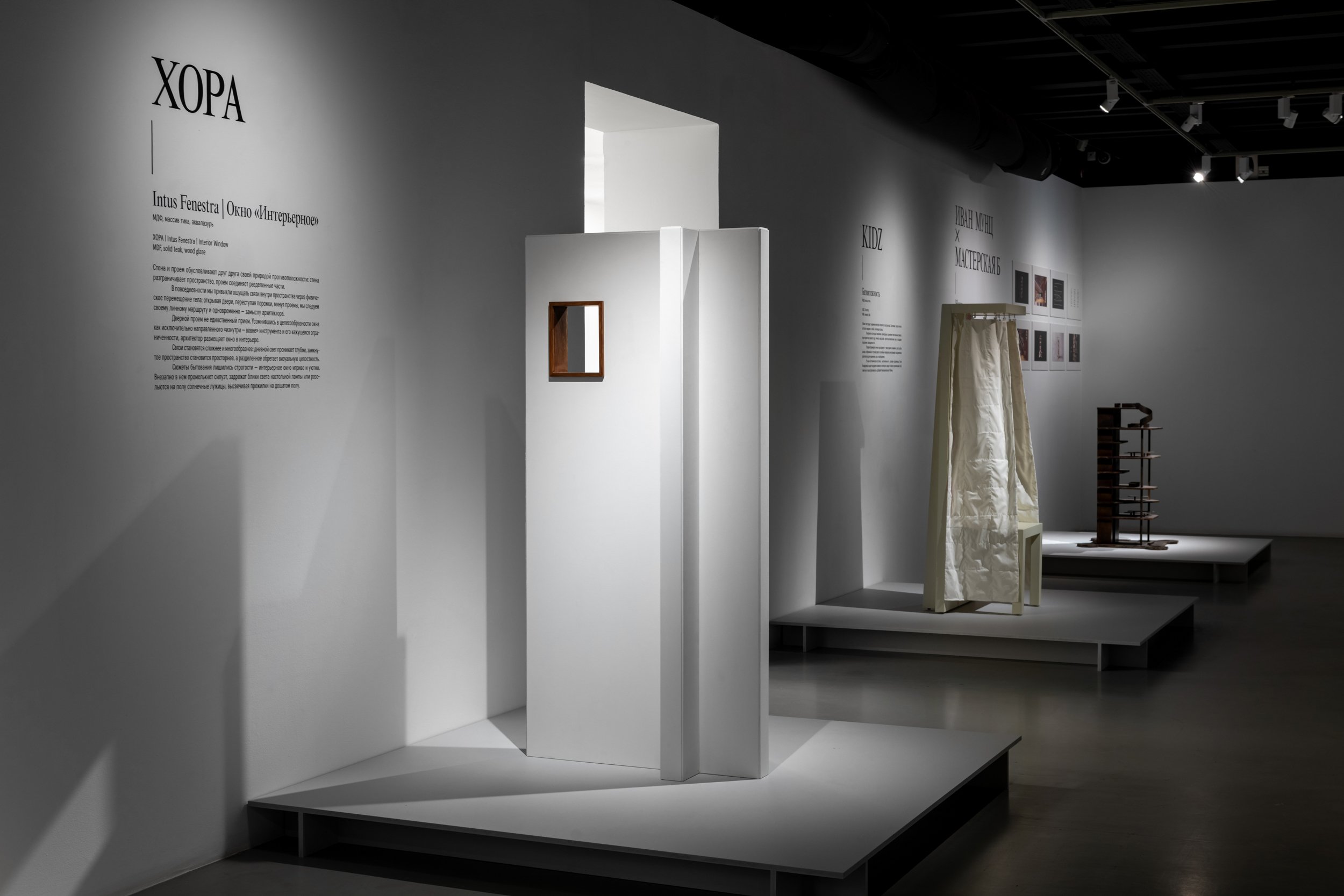
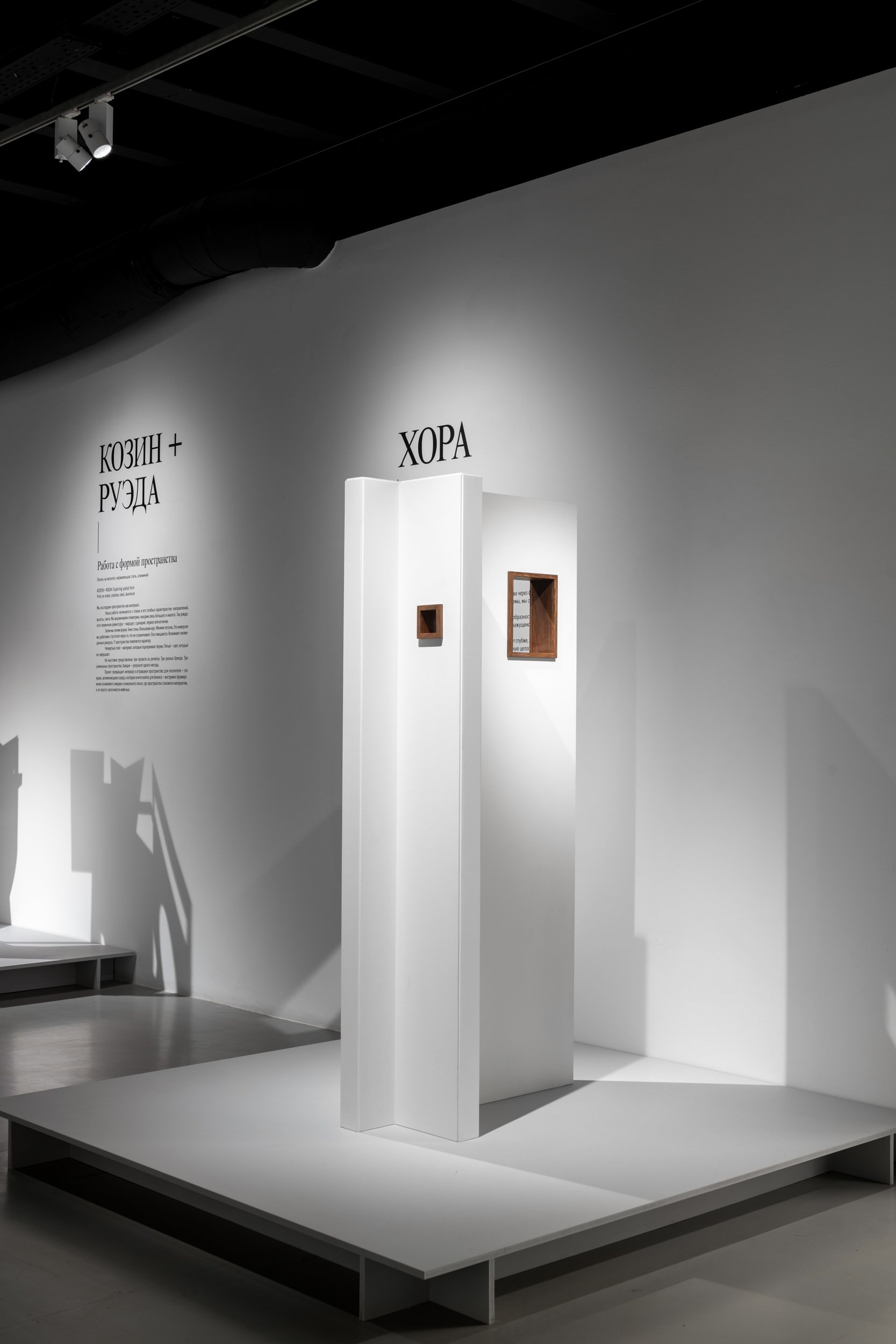
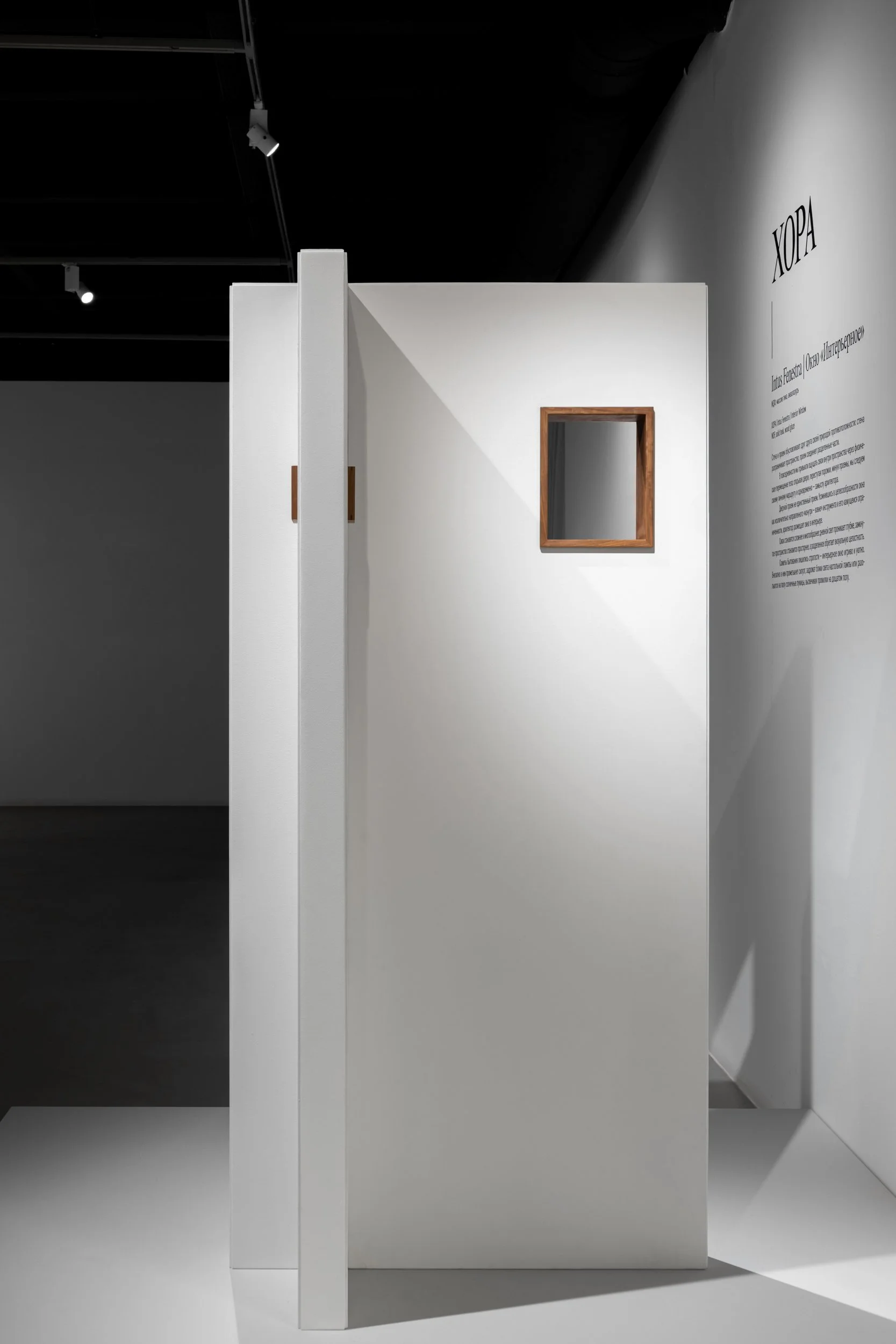
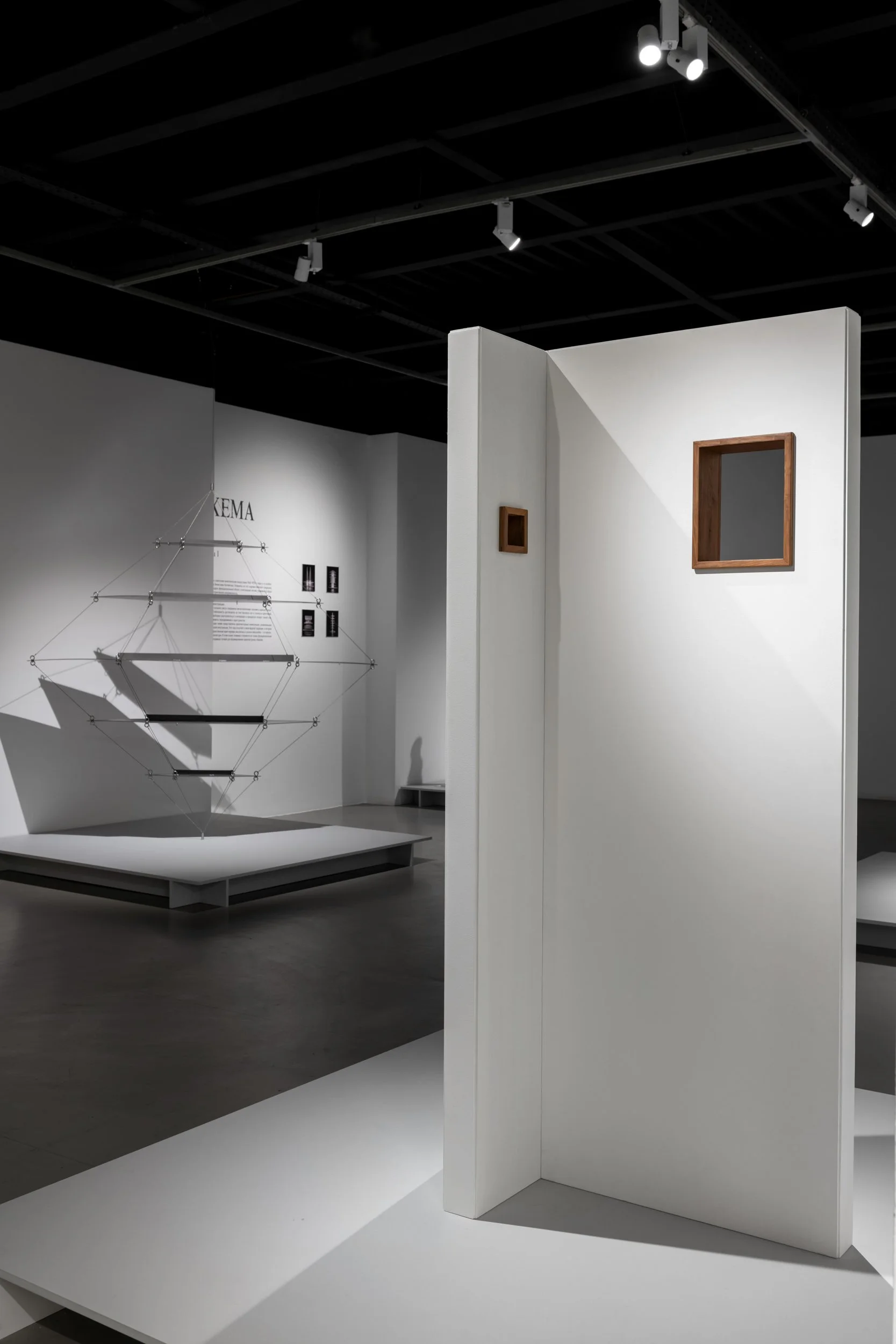
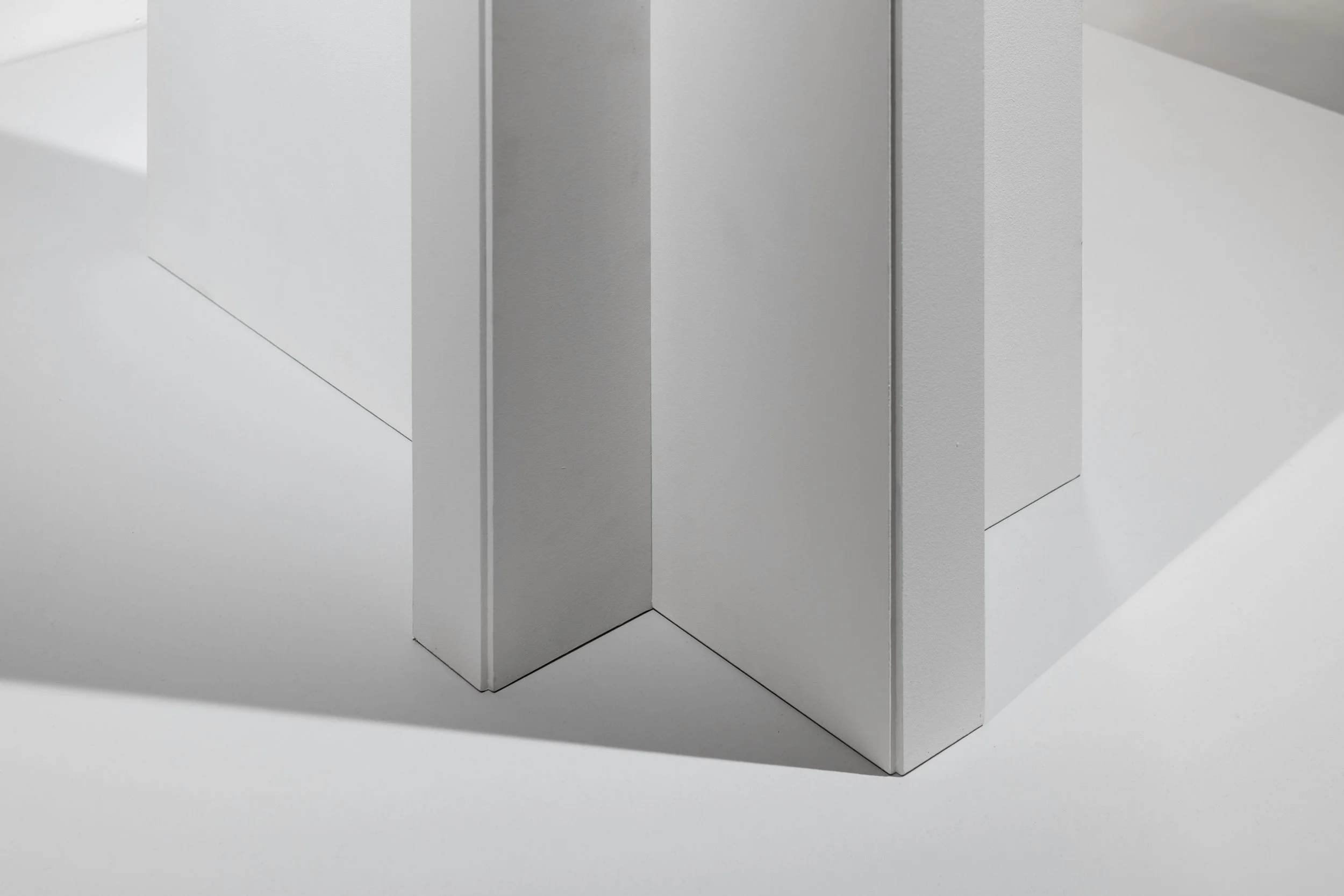
The wall and the opening in the wall condition each other by their very nature as opposites. The wall divides space; the opening connects the separated parts.
In everyday life, we are used to perceiving spatial connections through physical movement of the body: opening doors, stepping over thresholds, passing through openings — we follow our personal route and, at the same time, the architect’s intent.
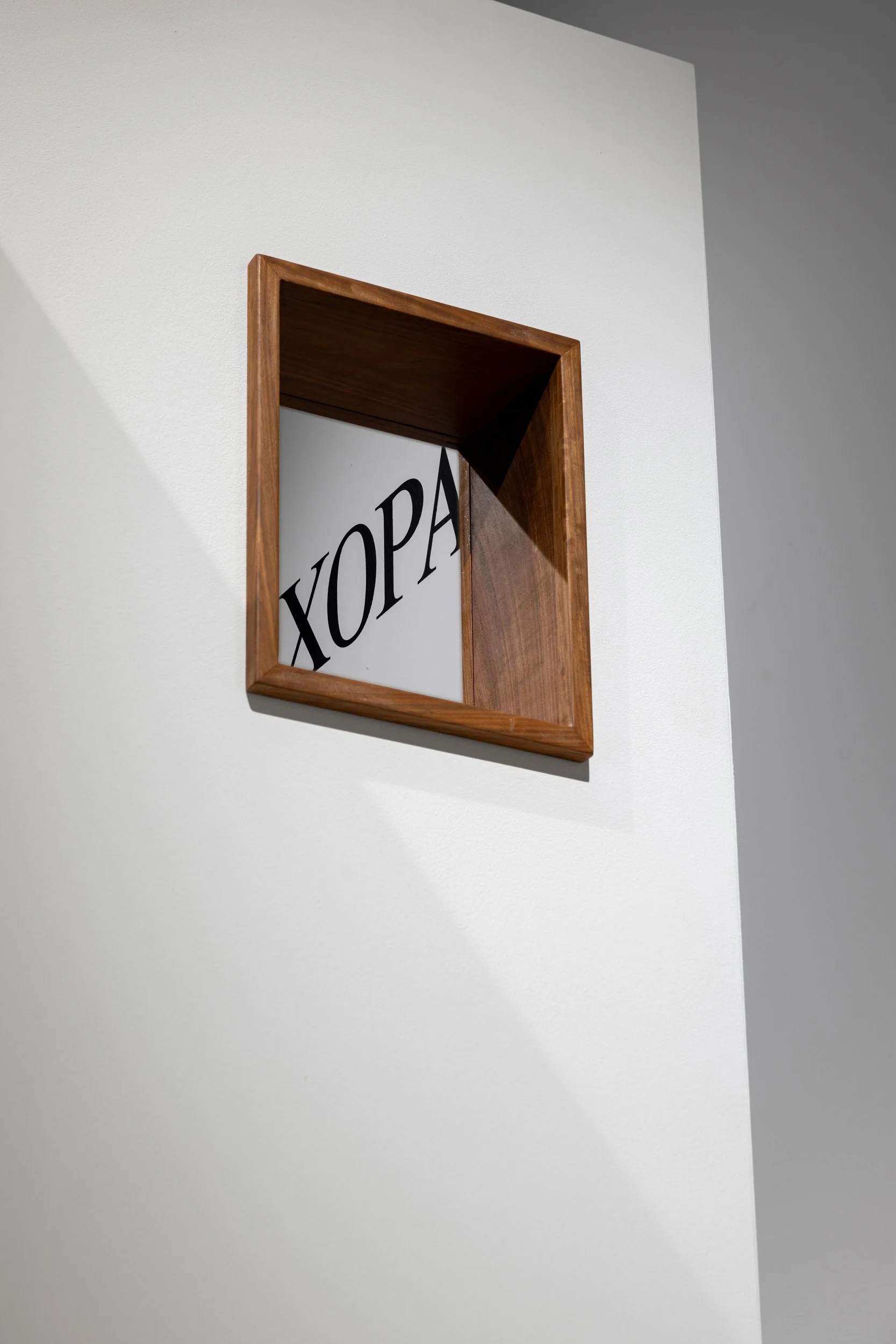
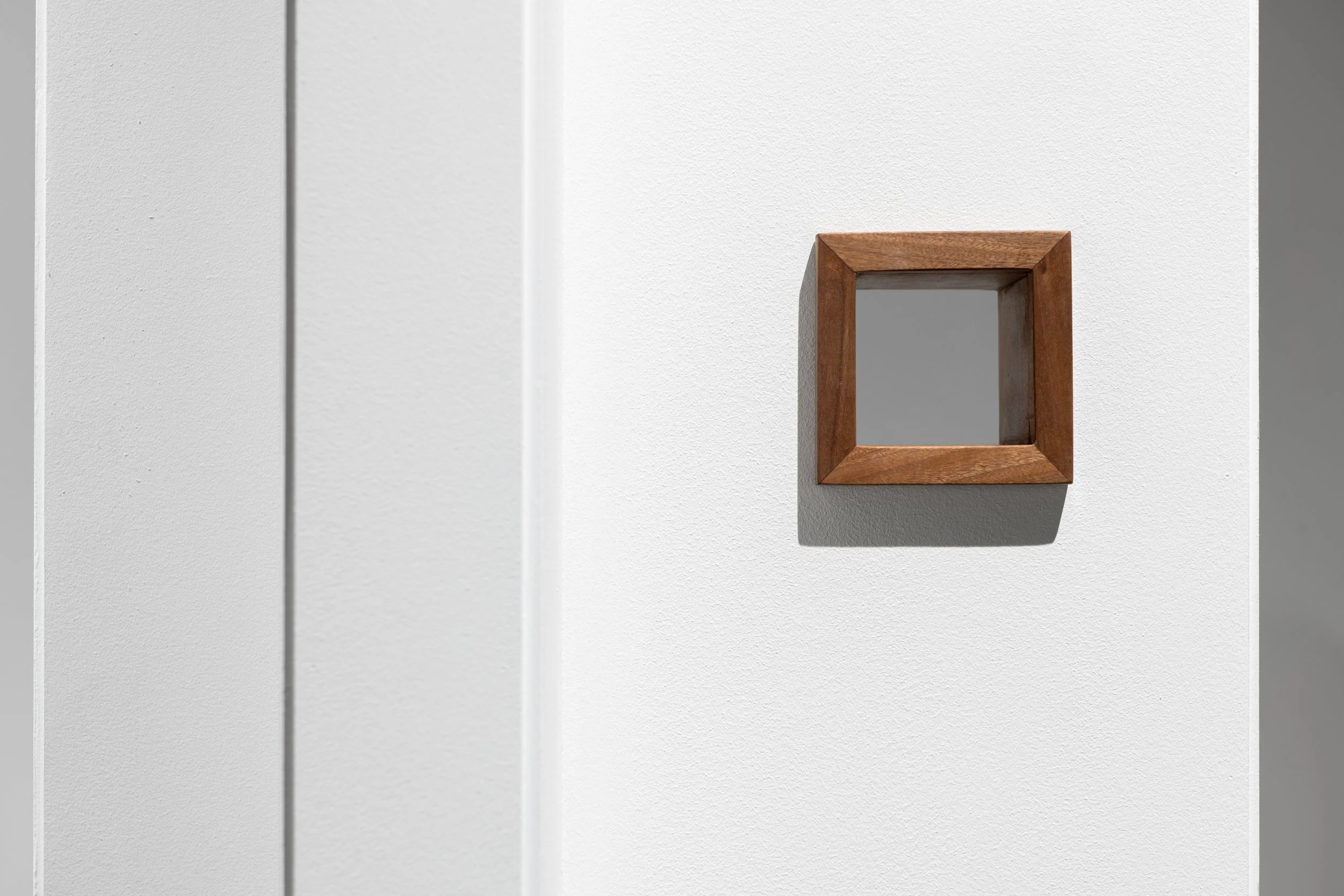
A doorway is not the only device. Questioning the expediency of the window as an exclusive orientation “from inside to outside” and its seeming limitation, the architect places a window in the interior. Now the space can only be traversed by gaze. Connections have become more complex and varied: daylight has penetrated deeper; the enclosed has grown more spacious, the divided has gained visual wholeness.
The narratives of dwelling have lost their rigidity — the interior window is playful and cozy. Suddenly a silhouette flickers through it, the glow of a desk lamp trembles in reflections, or puddles of sunlight spread across the floor, highlighting the grain of the wooden planks.
Team: Mikheil Mikadze, Evgenia Udalova, Lidia Sergeeva
Production: Soul Of Timber
Photography: Julia Zakharova